Supply Chain
10 Ways Servintec is Revolutionizing OEM Supply Chains
Streamlined Logistics
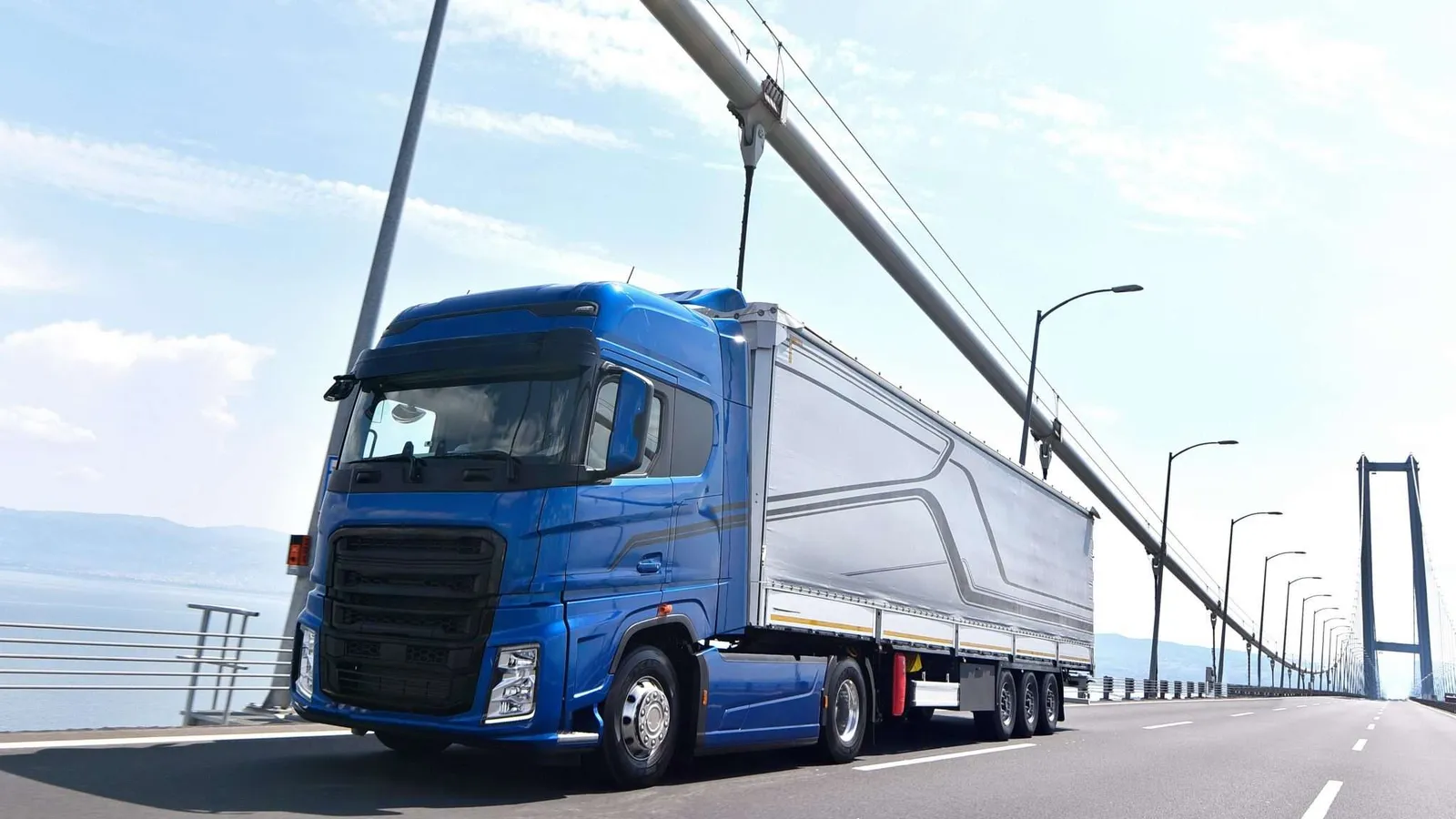
Servintec has reengineered logistics to optimize the flow of materials from suppliers to manufacturers. Their proximity to clients means significantly reduced transit times, ensuring that components are delivered on time and in the correct quantities. This reduces bottlenecks and minimizes waste, enhancing operational efficiency and the overall reliability of the supply chain.
In addition, their logistics solutions incorporate predictive analytics to anticipate potential disruptions and suggest preemptive actions, helping OEMs avoid costly delays and maintain continuous production lines.
Enhanced Supplier Relationships
Building strong relationships with suppliers is crucial for any OEM, and Servintec excels in this area. Their closer geographical location allows for more frequent and effective communication, fostering stronger collaboration. This leads to higher-quality materials and components, more reliable supply timelines, and the ability to address issues swiftly.
Adoption of Automation Technologies
Automation is a key driver in modern supply chains, and Servintec is at the forefront of implementing robotic process automation and artificial intelligence within OEM operations. These technologies streamline complex processes, from assembly to quality control, boosting productivity and precision while reducing human error and increasing production rates.
Customized Solutions
Every OEM has unique challenges and requirements. Recognizing this, Servintec offers customized supply chain solutions tailored to each client's specific needs. Whether adapting to a niche market or scaling operations globally, Servintec's bespoke services ensure that OEMs can achieve their goals without compromise.
Sustainability Practices
Sustainability is increasingly important in supply chain management. Servintec leads the way by integrating eco-friendly practices across its operations, from reducing energy consumption in manufacturing to optimizing logistics routes to decrease carbon footprints. Being closer to clients also means less fuel consumption and lower emissions during transportation.