Insights

OEM manufacturing insights

Clear, technical guidance for the teams that specify and buy metal components — nearshoring, quality, engineering and industry applications.

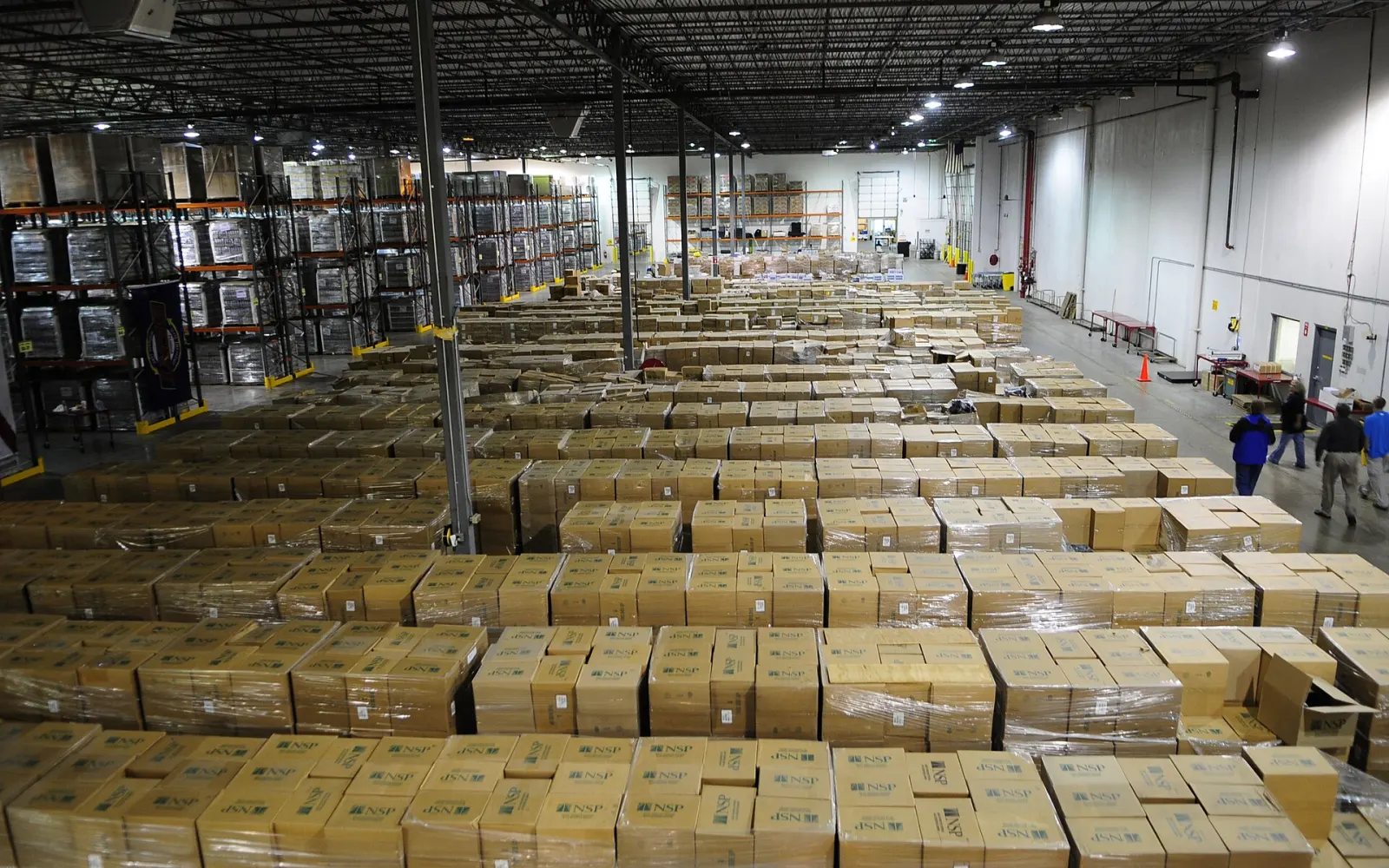
Reduce Cost by Partnering with a Single Source Manufacturer
Supply Chain

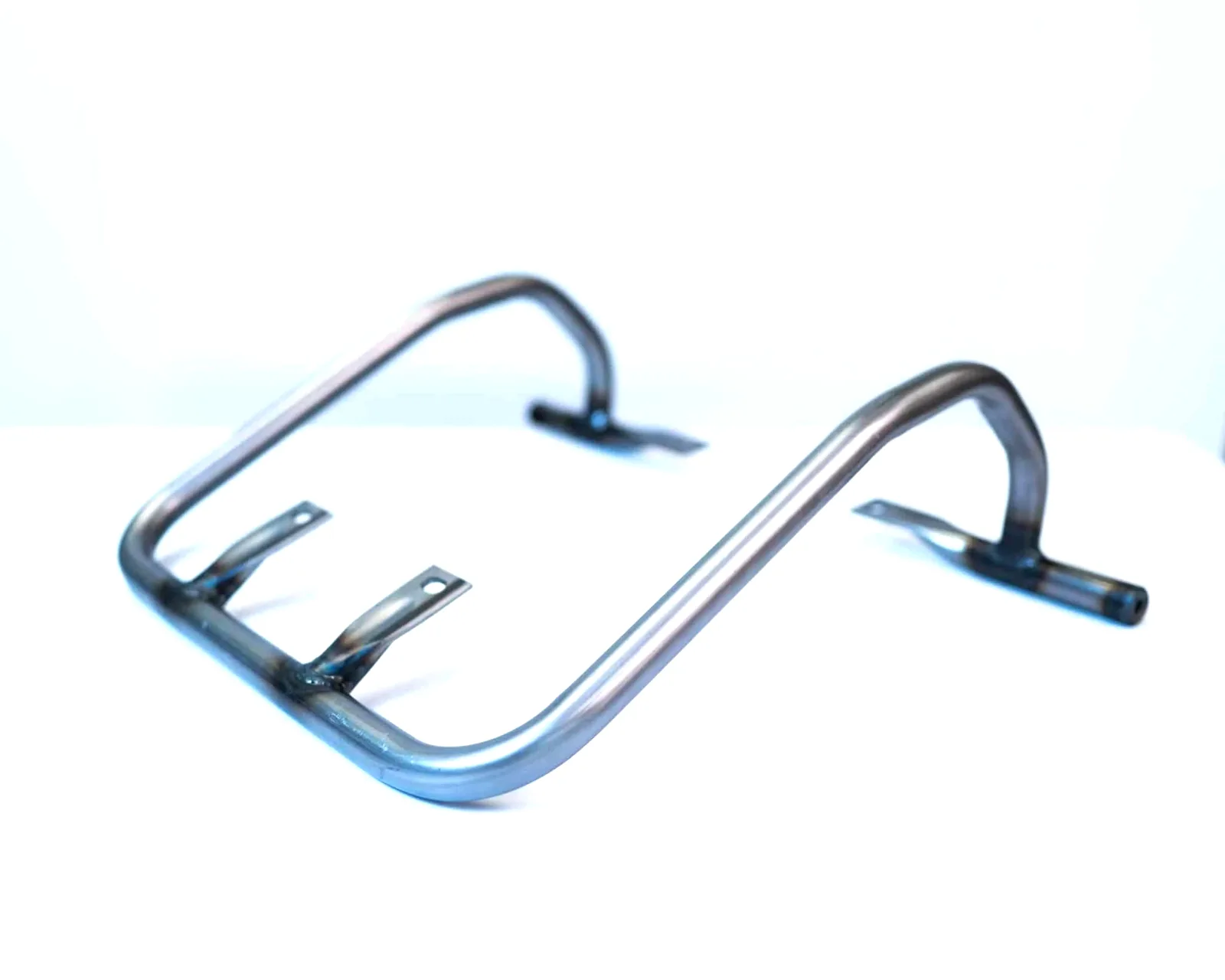
Reduce Cost by Partnering with a Single Source Manufacturer

Buying a seat frame or exhaust assembly as separate components from several suppliers adds cost that never appears on the purchase order. Here is what changes when one contract manufacturer owns the complete assembly.

Why Made in USA Manufacturing Matters More Than Ever
Industry

Why Made in USA Manufacturing Matters More Than Ever

Global disruptions exposed how fragile overseas supply chains can be. Made in USA manufacturing now offers stronger supply chain reliability, sharper quality control, and economic strength that global competitors struggle to match.

The Cost Benefits of Sourcing from Domestic OEM Suppliers
Supply Chain

The Cost Benefits of Sourcing from Domestic OEM Suppliers

Sourcing from domestic OEM suppliers cuts transportation costs, avoids tariffs, and strengthens resilience. Servintec's nearshore model delivers quality assurance and true cost savings beyond unit price for demanding OEMs.

Strengthening Local Supply Chains with Domestic OEM
Supply Chain

Strengthening Local Supply Chains with Domestic OEM

Ongoing disruptions have exposed the vulnerabilities of extended global supply chains. A nearshore, vertically integrated OEM model offers greater control, shorter lead times, and consistent quality for North American manufacturers.

Why Agile Manufacturing Is the Future of OEM Production
Industry

Why Agile Manufacturing Is the Future of OEM Production

Agile manufacturing focuses on speed, responsiveness, and adaptability, letting OEMs adjust production without starting over. Modular design, lean systems, and nearshore capacity prepare manufacturers for shifting demand and regulations.

The Impact of Proximity on OEM Parts Quality and Consistency
Quality

The Impact of Proximity on OEM Parts Quality and Consistency

Supplier proximity plays a vital role in OEM parts quality. Frequent inspections, faster issue resolution, and improved communication ensure consistent components while reducing quality control costs and strengthening accountability.

Reducing Lead Times in OEM Manufacturing with Regional Suppliers
Supply Chain

Reducing Lead Times in OEM Manufacturing with Regional Suppliers

Lead times directly influence operational efficiency and customer satisfaction in OEM manufacturing. Regional suppliers shorten lead times, improve working capital, strengthen supply chain resilience, and enable greater production flexibility.

How Regional Suppliers Can Help Reduce Transit Times and Costs
Supply Chain

How Regional Suppliers Can Help Reduce Transit Times and Costs

Regional suppliers offer manufacturers faster transit times, lower shipping costs, and greater flexibility than distant international partners. Local sourcing streamlines operations, mitigates geopolitical risks, and builds resilient, sustainable supply chains.

5 Reasons to Switch to A Single-Source Manufacturer
Supply Chain

5 Reasons to Switch to A Single-Source Manufacturer

Relying on multiple suppliers introduces inefficiencies and inconsistencies. Transitioning to a single-source manufacturer simplifies procurement, consolidates costs, strengthens quality control, and reduces supply chain complexity for a stronger competitive edge.

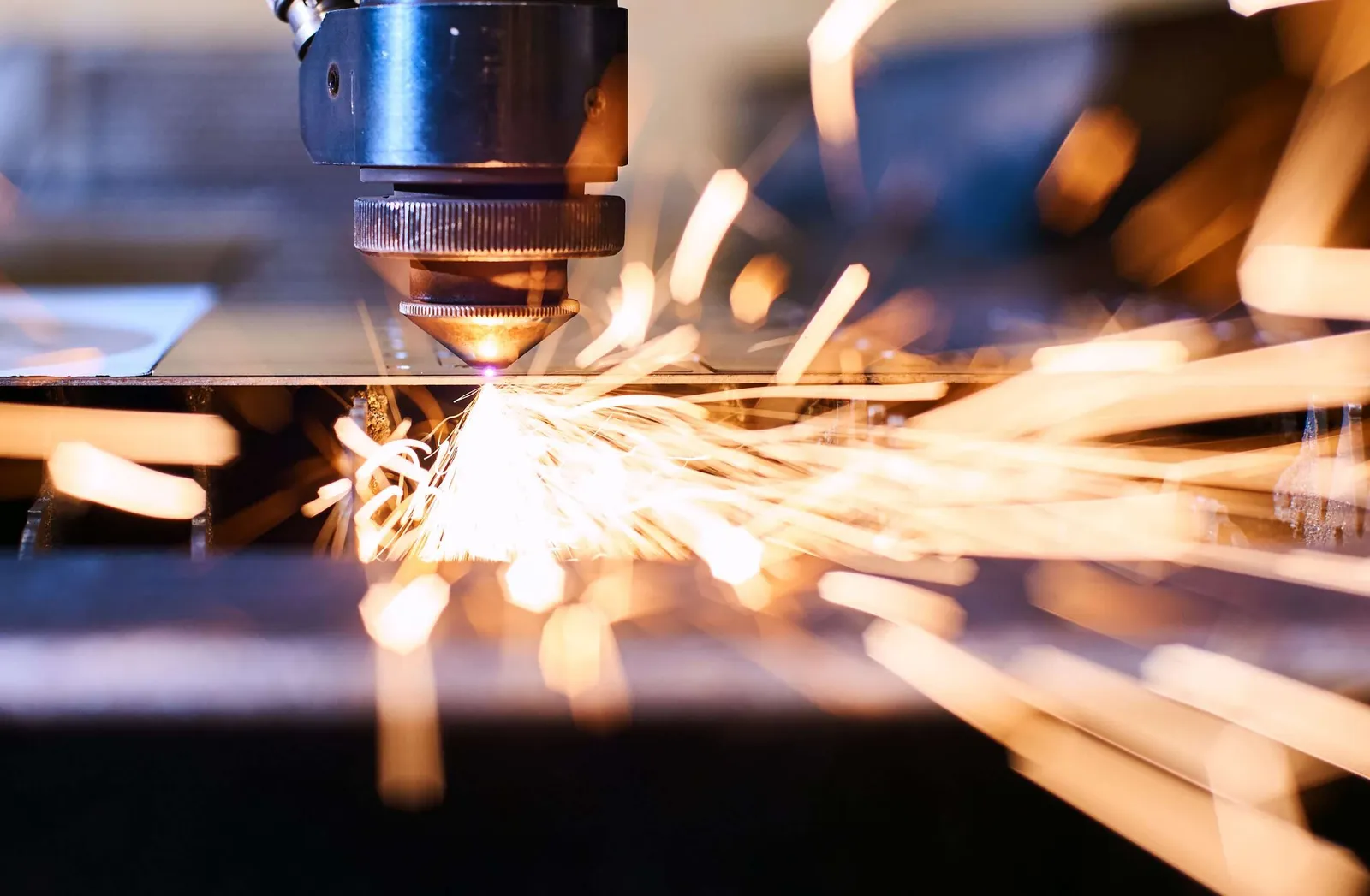
Behind the Scenes: The Making of High-Performance Exhaust Systems
Engineering

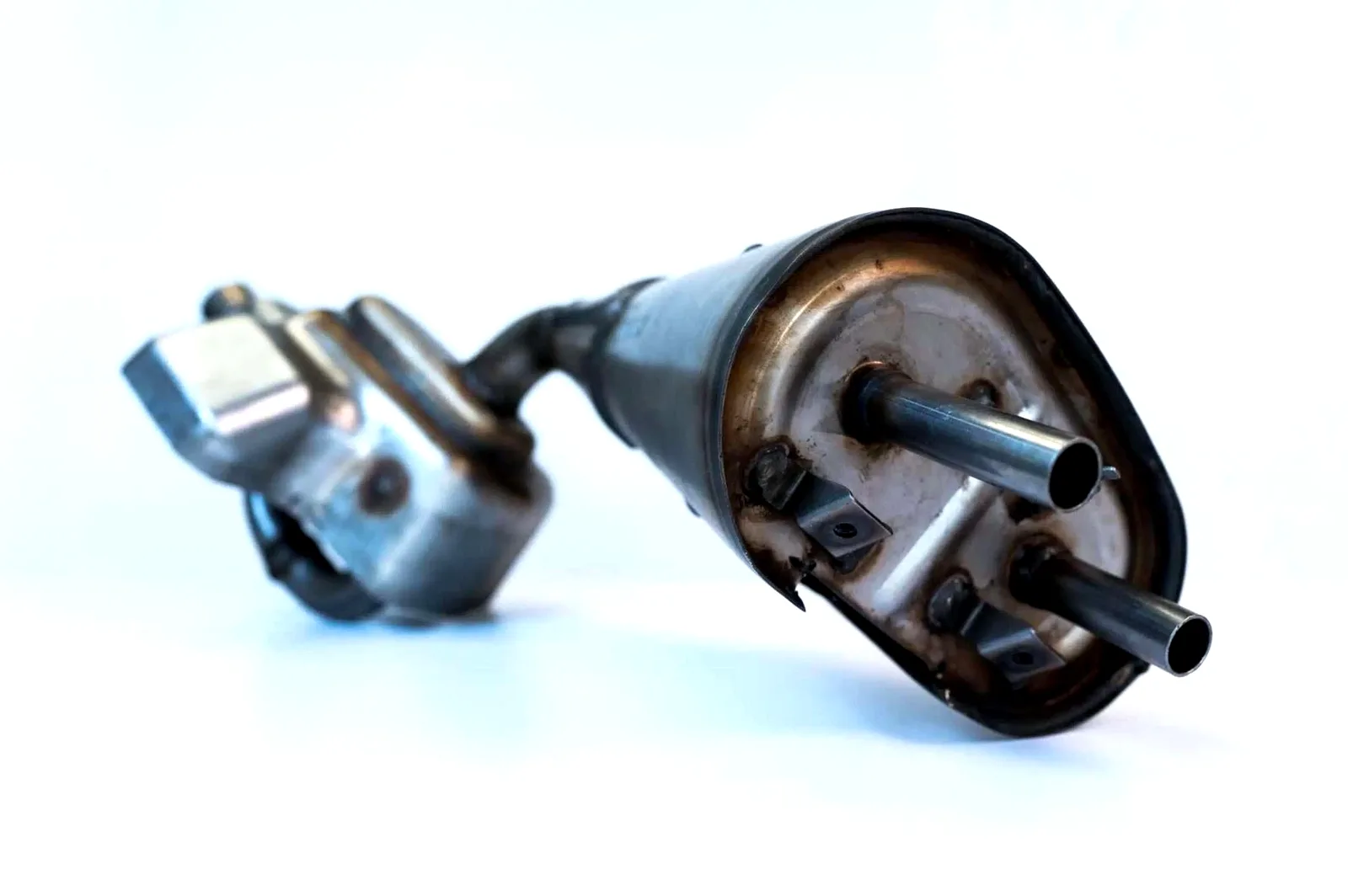
Behind the Scenes: The Making of High-Performance Exhaust Systems

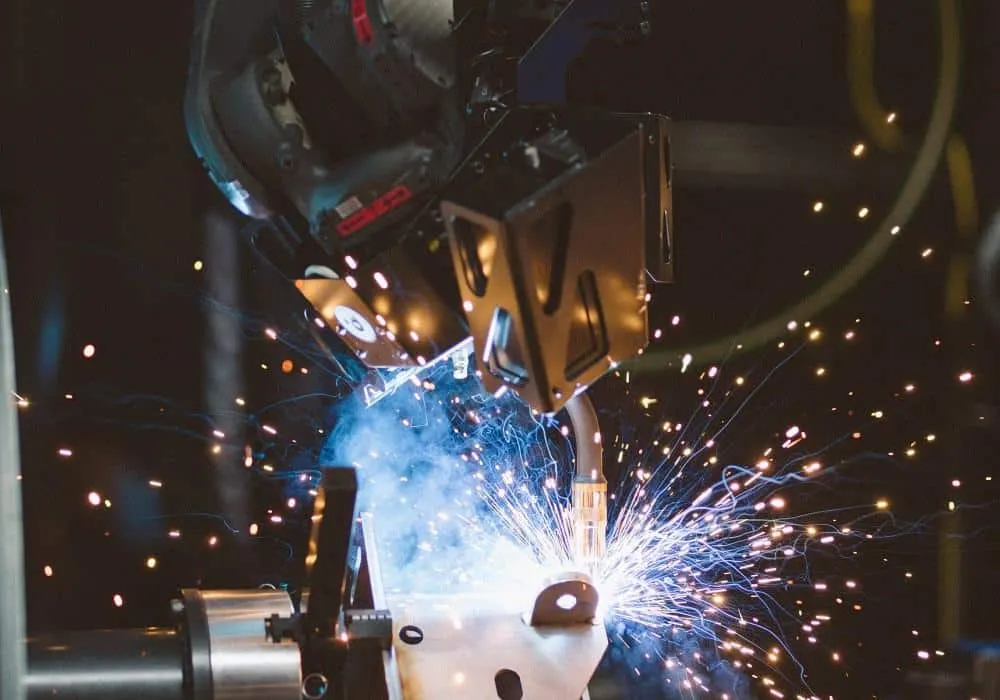
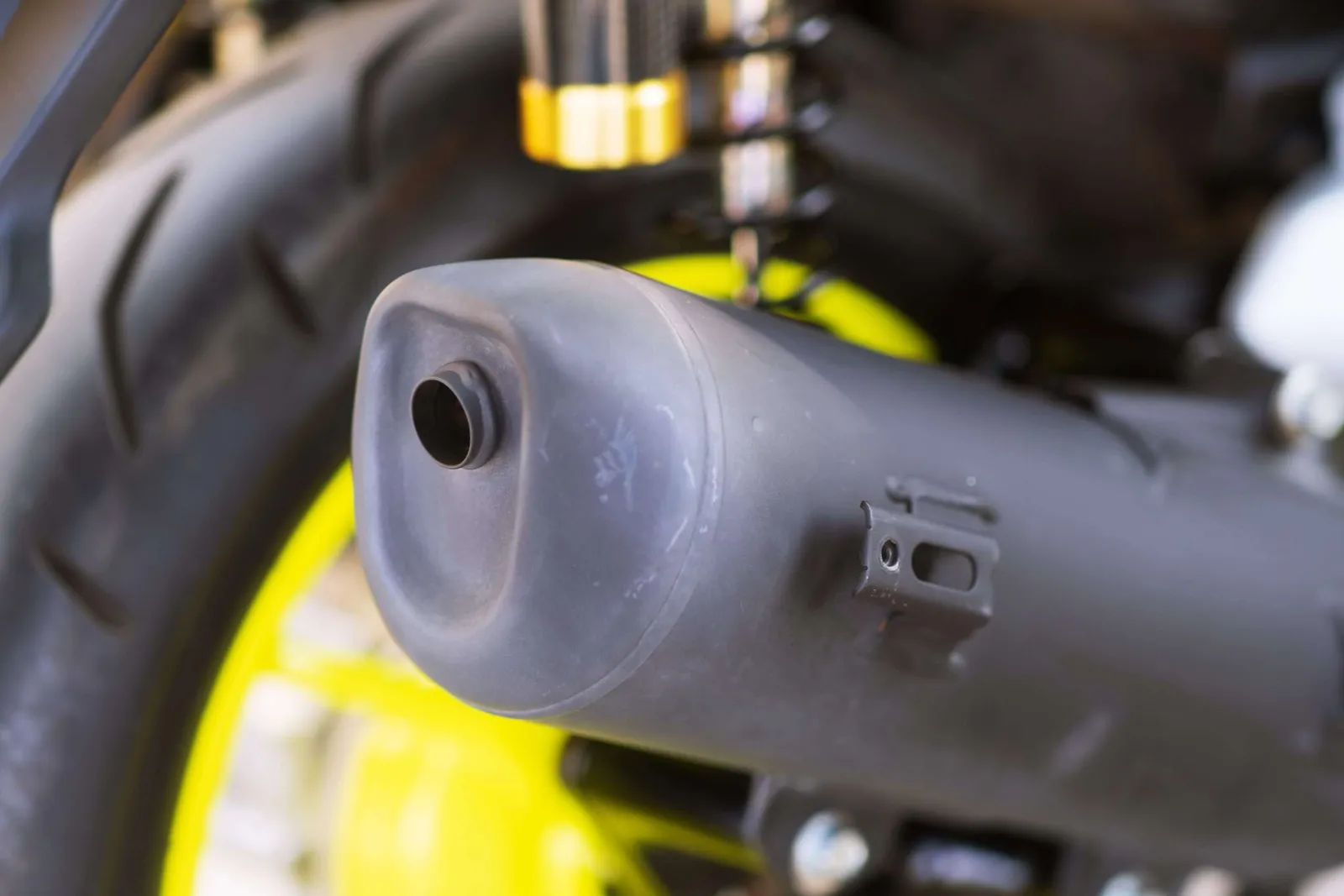
Manufacturing high-performance exhaust systems blends meticulous design, careful material selection, precision cutting, and expert welding. Rigorous testing and protective finishing ensure each system delivers durability, efficiency, and reliable real-world performance.

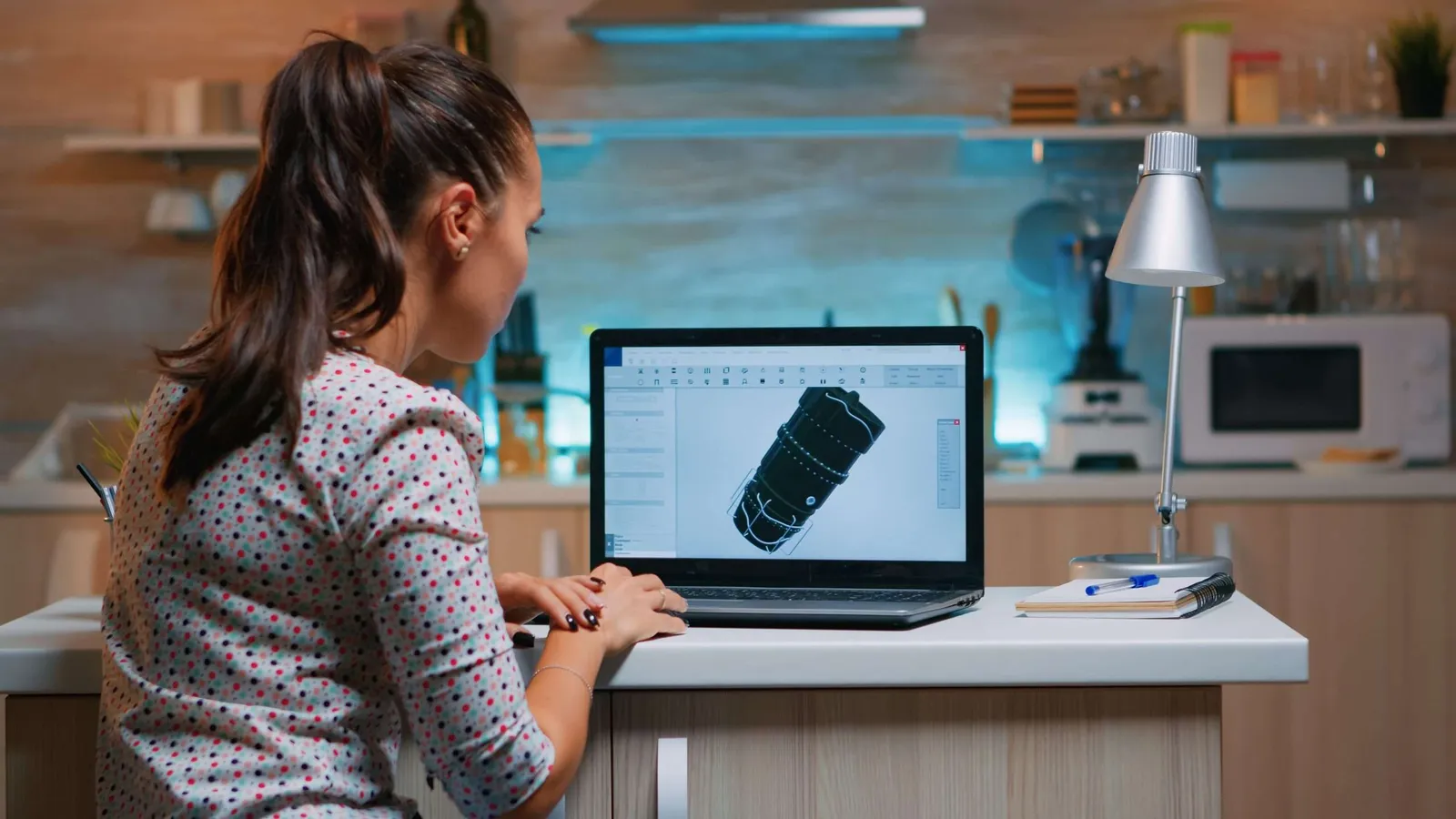
From Concept to Prototype: The Magic of Reverse Engineering
Engineering

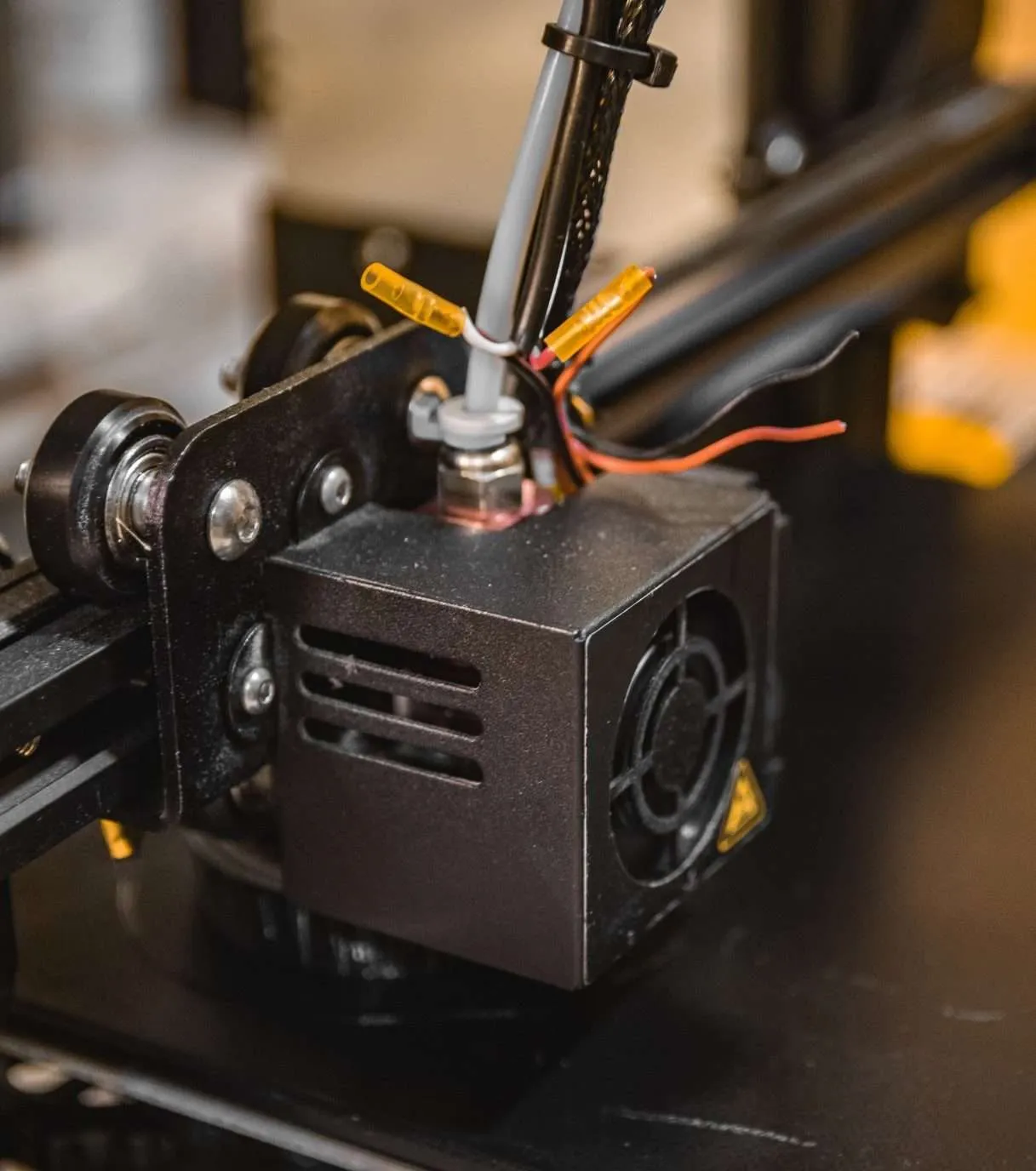
From Concept to Prototype: The Magic of Reverse Engineering

Reverse engineering deconstructs existing products to understand and improve them. Combined with 3D scanning, CAD, and collaboration, it accelerates innovation, streamlines design iterations, and reduces development costs across industries.

10 Ways Servintec is Revolutionizing OEM Supply Chains
Supply Chain

10 Ways Servintec is Revolutionizing OEM Supply Chains

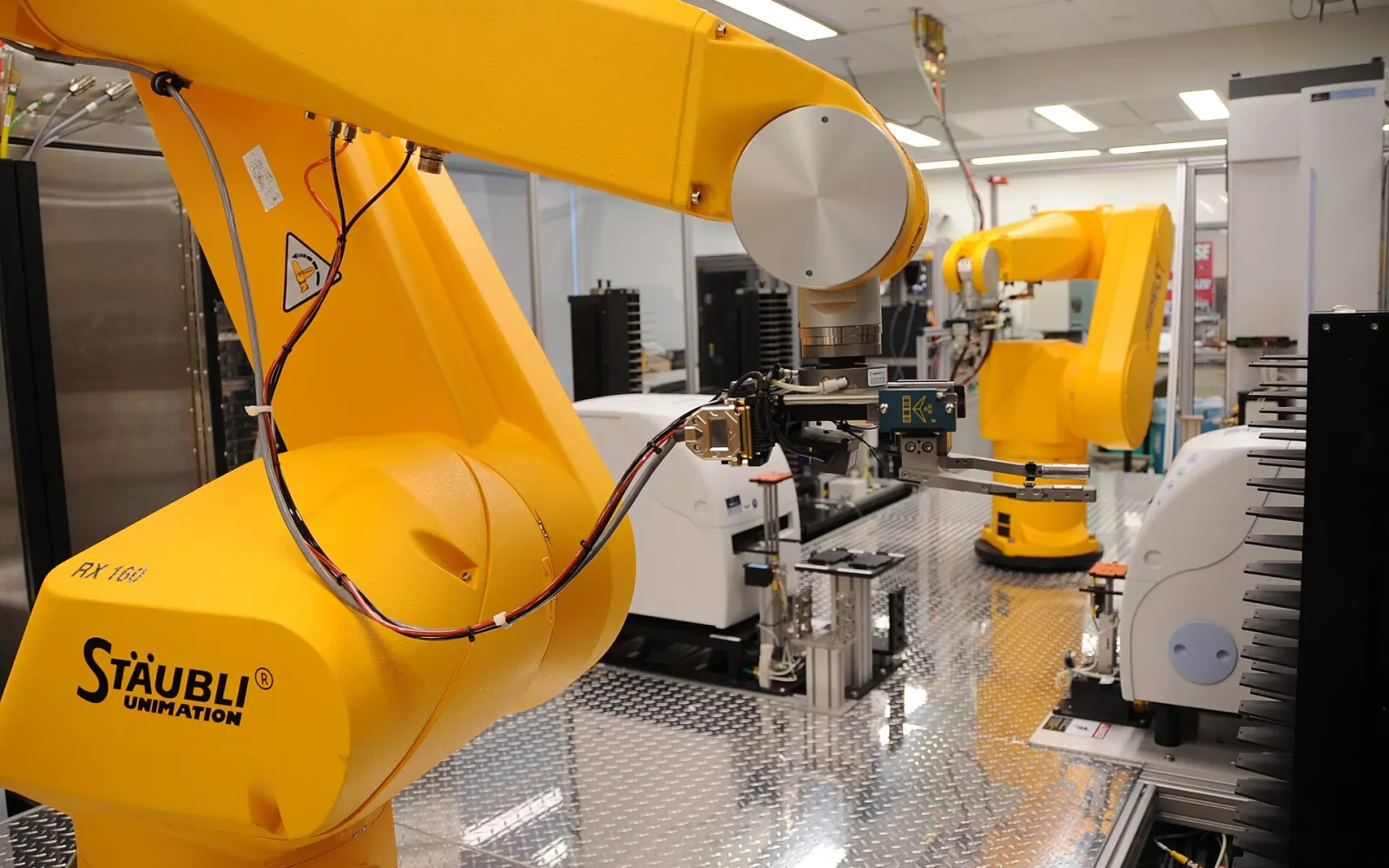
Servintec is transforming OEM supply chains through streamlined logistics, stronger supplier relationships, automation technologies, customized solutions, and sustainable practices that boost efficiency, reliability, and responsiveness for manufacturers.

How to Reduce Supply Chain Risks
Supply Chain

How to Reduce Supply Chain Risks

Geopolitical tensions are reshaping global shipping routes and inflating costs. Nearshoring in the Americas, resilient supply chain design, and collaborative risk management help businesses maintain continuity amid uncertainty.

Is Nearshoring to Mexico the Solution to Supply Chain Risks?
Supply Chain

Is Nearshoring to Mexico the Solution to Supply Chain Risks?

Mexico's proximity and trade agreements make it a nearshoring favorite, but capacity constraints are emerging. Colombia offers a compelling alternative, supporting diversification and stronger supply chain resilience for manufacturers.

Off-Road Original Equipment Manufacturing Components
Industry

Off-Road Original Equipment Manufacturing Components

Off-road vehicle makers depend on high-quality suppliers to meet stringent demands and reduce supply chain risks. Servintec USA delivers certified, innovative, and sustainable OEM components for rugged machines.

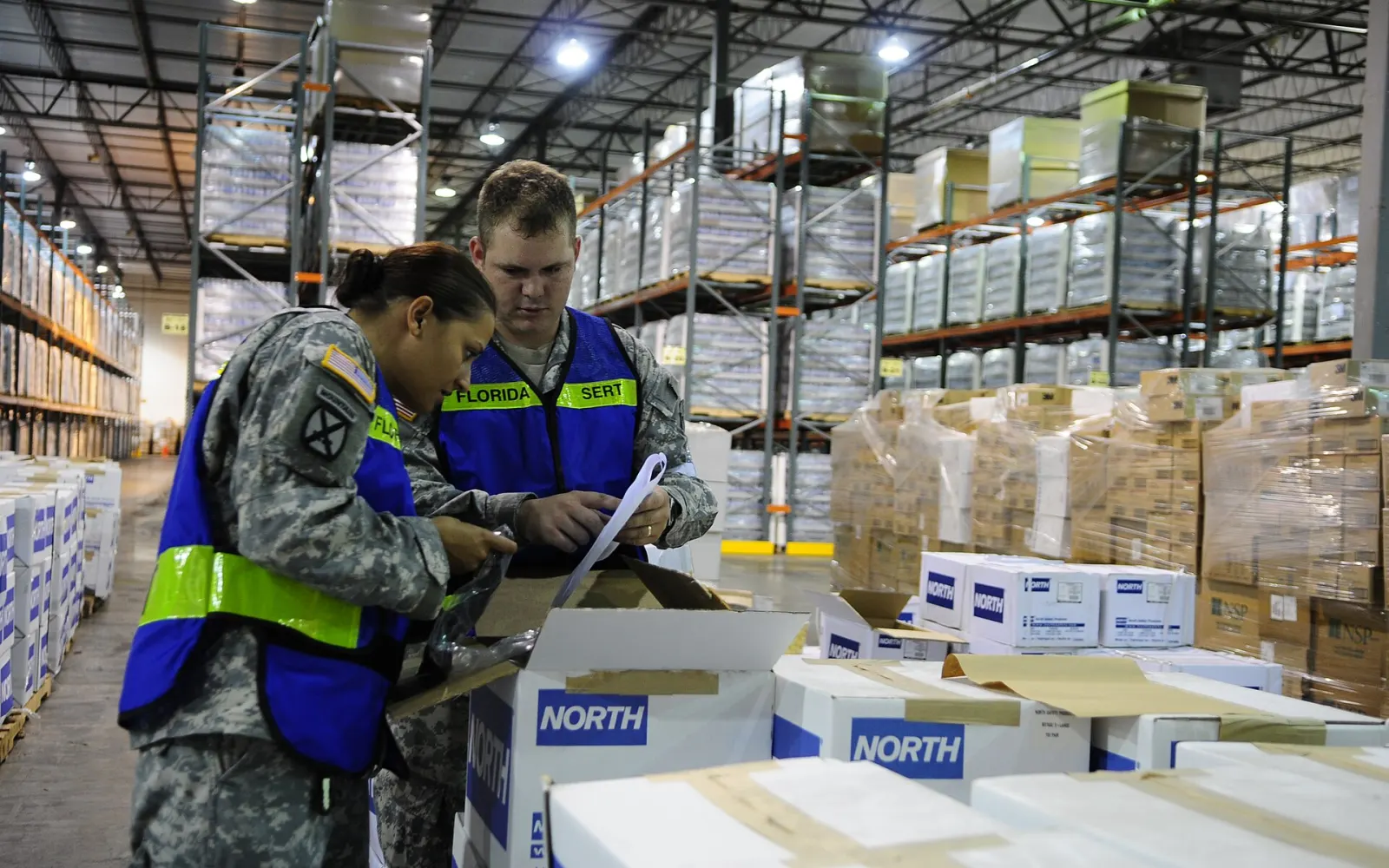
How to Safeguard Product Quality with an Outsourced Manufacturer
Quality

How to Safeguard Product Quality with an Outsourced Manufacturer

Outsourcing manufacturing helps companies address labor shortages while safeguarding quality. Choosing full-service, certified suppliers and fostering collaboration ensures reliability, efficiency, and effective risk mitigation throughout the production process.

How To Make Product Design a Priority
Engineering

How To Make Product Design a Priority

Great product design solves real customer needs at reasonable cost. Learn why simplicity, a customer-first perspective, and virtual design and simulation help manufacturers refine products, control quality, and save money.

The Benefits of Single-Source Manufacturing
Supply Chain

The Benefits of Single-Source Manufacturing

Single-source manufacturing consolidates suppliers to shorten lead times, streamline the supply chain, and improve quality control. Learn how working with one reputable partner helps OEMs cut costs and raise margins.

What Is Reverse Engineering?
Engineering

What Is Reverse Engineering?

Reverse engineering reproduces a product after deconstructing it to learn how it functions. Learn how 3D CAD modeling and virtual simulations like FEA and CFD make the process faster and cost-effective.

The Risks of Manufacturing in China
Supply Chain

The Risks of Manufacturing in China

Manufacturing in China carries real supply chain risks, from shipping disruptions to inconsistent quality. Learn why diversifying suppliers and sourcing closer to home can protect margins and reputation.

Why Product Quality Makes or Breaks Businesses
Quality

Why Product Quality Makes or Breaks Businesses

Competitive pricing alone won't win contracts if quality falls short. Learn what constitutes good product quality, how perception shapes brand value, and how quality engineering helps you outperform the competition.

Why US Manufacturers Should Move Production Closer
Supply Chain

Why US Manufacturers Should Move Production Closer

Rising shipment costs, long transit times, and geopolitical tension make offshore production riskier than ever. Learn four reasons US manufacturers should nearshore, from cost savings to job creation and quality control.

How to Mitigate Supply Chain Risks: New Sourcing Partners
Supply Chain

How to Mitigate Supply Chain Risks: New Sourcing Partners

Global disruptions have made mitigating supply chain risk a top priority. Learn how to identify threats, map disruptions, build recovery plans, and leverage technology while securing new regional sourcing partners.

Supply Chain Constraints and How to Solve Them
Supply Chain

Supply Chain Constraints and How to Solve Them

Four key constraints shape supply chain management: inventory, capacity, transportation, and information. Learn how these factors interact, create trade-offs, and how balancing them minimizes cost while maximizing service levels.

Why Supplier Quality Is More Important Than Price
Quality

Why Supplier Quality Is More Important Than Price

Choosing a supplier on price alone can hurt your bottom line. Learn three reasons to prioritize quality: more value for money, improved customer service, and greater trust in your partner.

Why You Need Reliable Suppliers in a Labor Shortage
Supply Chain

Why You Need Reliable Suppliers in a Labor Shortage

In a global labor shortage where retirements outpace replacements, building a network of reliable suppliers helps manufacturers maintain consistent, high-quality output while nearshoring to countries with greater labor availability.

3 Ways Nearshoring Can Help Increase Profits
Supply Chain

3 Ways Nearshoring Can Help Increase Profits

Amid supply chain disruptions, nearshoring to neighboring countries in the Americas can help manufacturers access skilled labor, cut travel and lead times, and gain flexibility that ultimately increases profits and reduces risk.

Pursuing Partnerships for a Smart Manufacturing Strategy
Industry

Pursuing Partnerships for a Smart Manufacturing Strategy

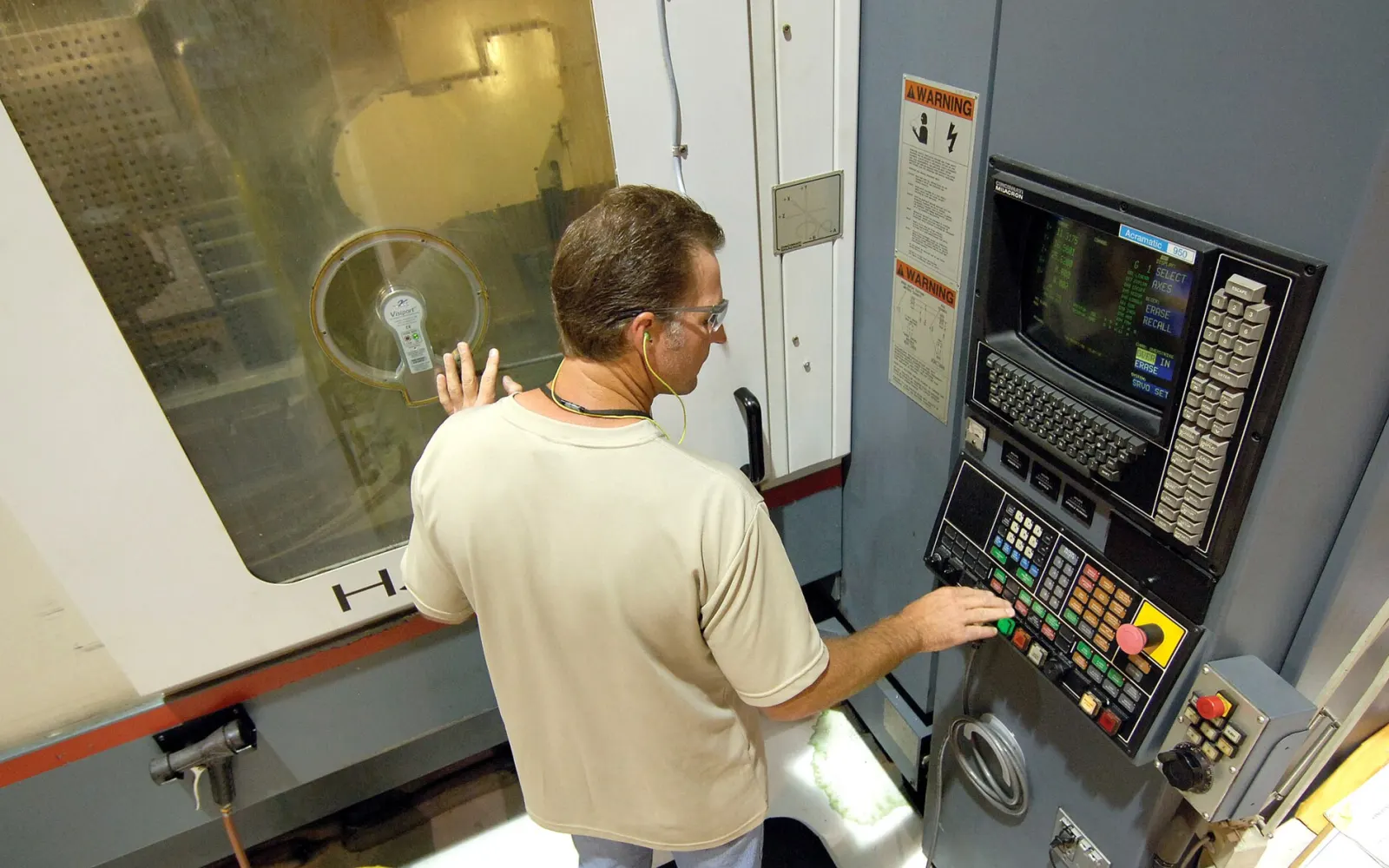
Smart manufacturing uses internet-connected machinery, sensors, and data to detect and resolve production inefficiencies. Partnering with data specialists helps manufacturers who lack in-house expertise unlock these benefits and gain competitive advantage.

What Is Metrology and Why Is It So Important?
Quality

What Is Metrology and Why Is It So Important?

Metrology, the science of measurement, underpins manufacturing by enabling standardization across companies worldwide and reducing costs. Accurate, scientifically grounded measurements ensure parts fit together and cut expensive redesign and remanufacture processes.

The Value of Additive Manufacturing in the Automotive Industry
Engineering

The Value of Additive Manufacturing in the Automotive Industry

Additive manufacturing builds objects layer by layer, offering the automotive industry weight reduction, on-demand replacement parts, rapid prototyping during research and development, and streamlined customization that meets evolving consumer demands cost-effectively.

What Are the 3 Subfields of Metrology?
Quality

What Are the 3 Subfields of Metrology?

Metrology, the science of measurement, splits into three subfields: applied metrology for industrial instruments, legal metrology for fair trade and consumer protection, and scientific metrology for developing measurement methods and standards.

What Are the Differences Between Nearshore, Offshore, and Onshore?
Supply Chain

What Are the Differences Between Nearshore, Offshore, and Onshore?

Onshore, nearshore, and offshore outsourcing differ in cost, proximity, and risk. Understanding these trade-offs helps manufacturers choose partners that balance quality, communication, lead times, and supply chain resilience against price savings.

Stay Ahead of Competition by Outsourcing 3D Modeling Services
Engineering

Stay Ahead of Competition by Outsourcing 3D Modeling Services

Outsourcing 3D CAD modeling helps smaller manufacturers compete with larger suppliers by improving utilization, reducing turnover risk, accessing expertise, and keeping up with industry standards without carrying costly in-house engineering overhead.

3D CAD Modeling is Key in the OEM Automotive Industry
Engineering

3D CAD Modeling is Key in the OEM Automotive Industry

As the automotive industry expands in the Southeastern US, becoming 3D CAD modeling capable is essential for local companies seeking to compete as Tier II suppliers, often through outsourcing partners.

How to Avoid Waste in Reverse Engineering
Engineering

How to Avoid Waste in Reverse Engineering

Reverse engineering an old product can waste time and money through trial and error. Using 3D CAD modeling, digital scanning, and virtual testing lets manufacturers predict performance and protect the bottom line.

Finite Element Analysis | Four Key Factors to Consider
Engineering

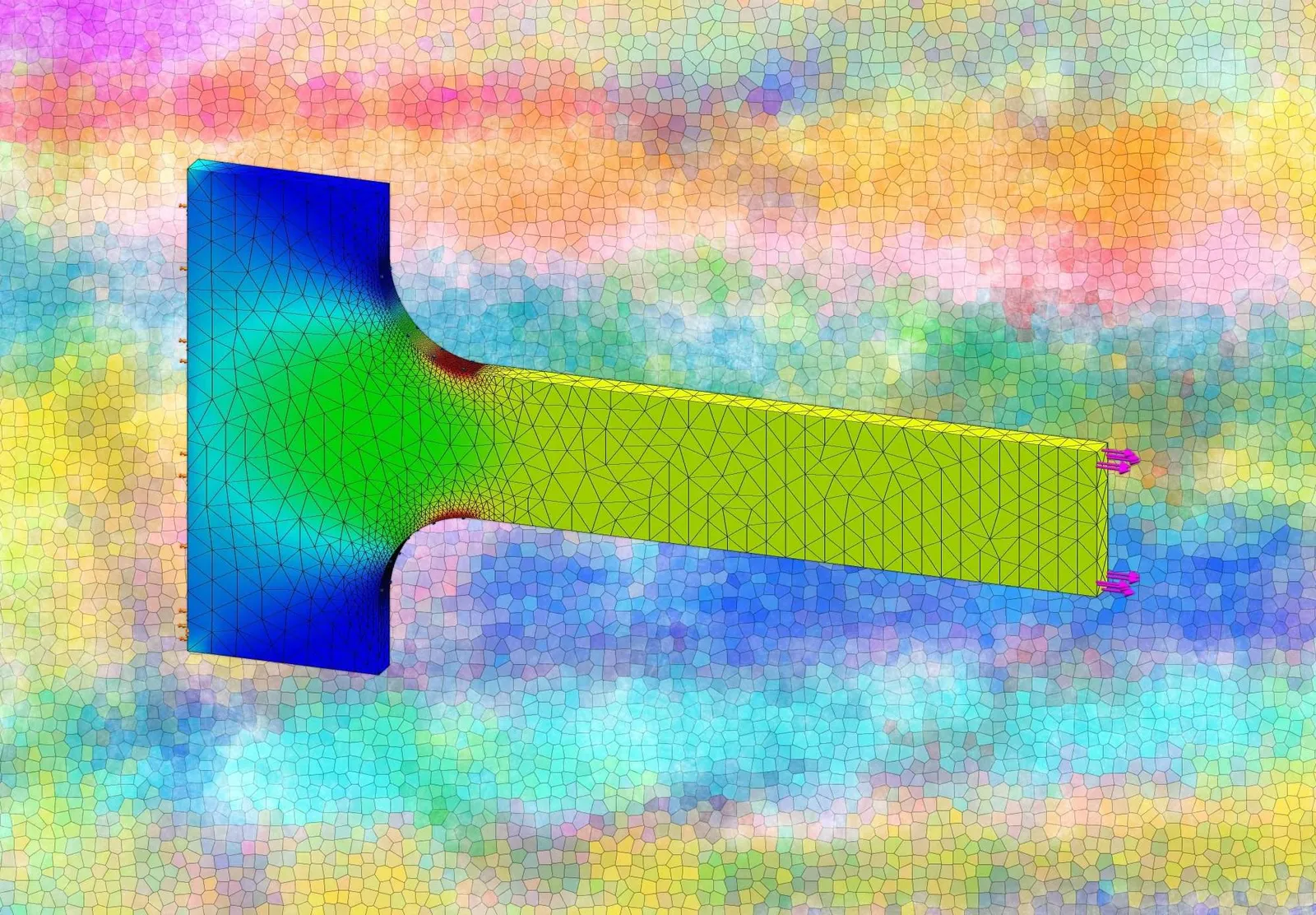
Finite Element Analysis | Four Key Factors to Consider

Finite Element Analysis lets manufacturers virtually predict product performance, reducing prototypes and speeding production. Small and midsize companies should weigh four key factors: software, CAD modeler, apps and online tools, and freelancers.

Why is Industry 4.0 an Opportunity for Small Manufacturing?
Industry

Why is Industry 4.0 an Opportunity for Small Manufacturing?

Industry 4.0, the fourth industrial revolution driven by AI, big data, and cyber systems, creates opportunities for small manufacturers who digitize product portfolios and adopt 3D technologies to compete with larger rivals.

Start a program

Ready to move a part from drawing to production?

Send us a print, a sample or a target price. You get an engineer-reviewed feasibility response and a clear path to first articles.