

Component Family
Heat Shields
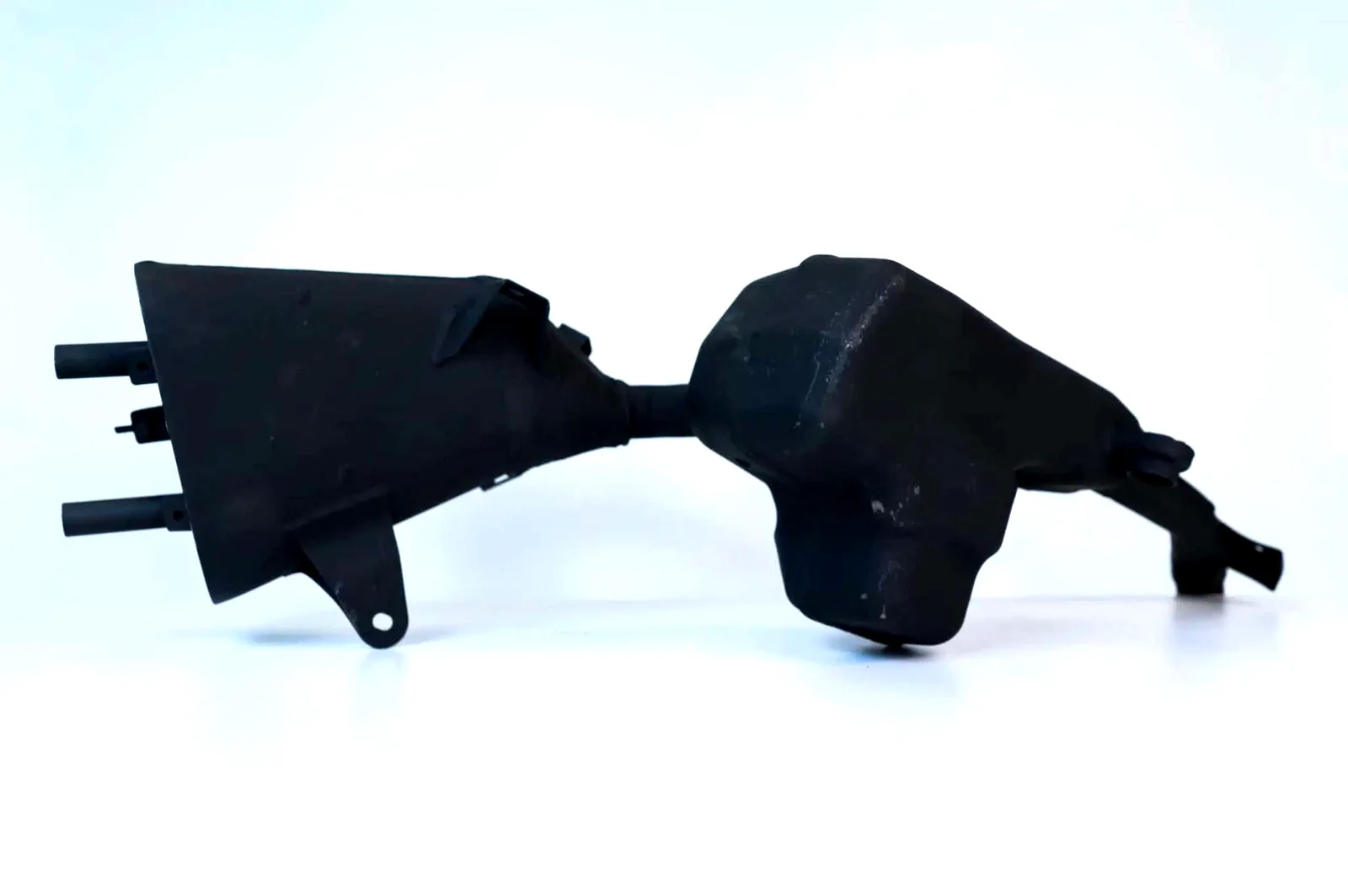
Thermal-management parts formed and stamped for fit, durability and assembly efficiency — protecting components and riders from exhaust and engine heat.
Overview
A shield only works if it fits and lasts
Heat shields live in a punishing spot — high heat, vibration and tight packaging. They have to form to complex contours, hold that shape, and mount cleanly without rattles or cracks.
We form, stamp and finish shields to the contour your package needs, often integrating them directly into exhaust assemblies.
What we build
Contoured shields and thermal covers
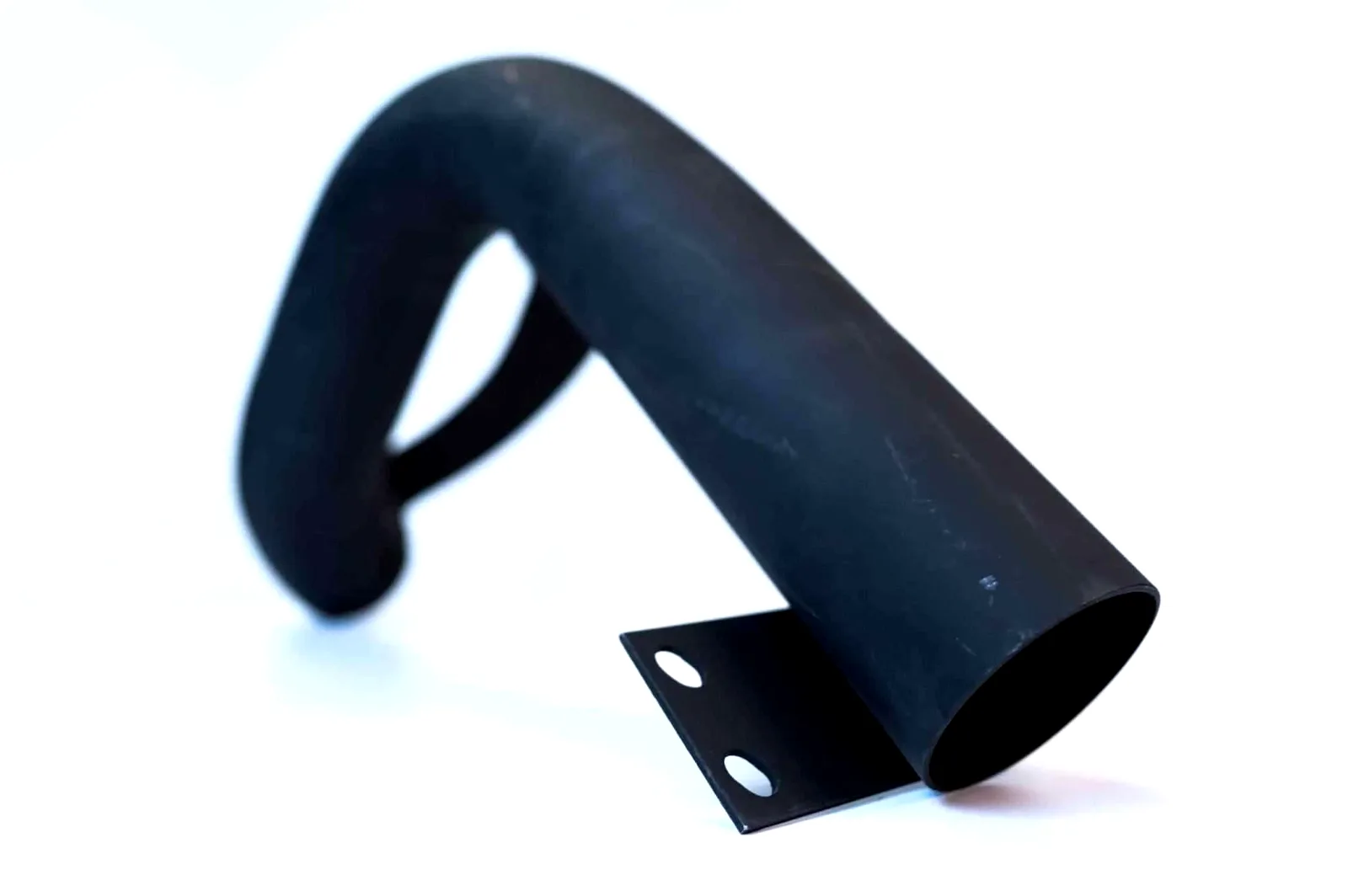
Single- and multi-layer shields, formed to contour with mounting features and edges finished for durability and safe handling.
- Exhaust heat shields
- Engine shields
- Formed covers
- Louvered / embossed panels
Component detail
Heat shield scope
| Materials | Aluminized steel, stainless, aluminum |
|---|---|
| Processes | Deep draw / press forming, stamping, embossing, trimming |
| Features | Contoured bodies, standoffs, mounting tabs, hemmed edges |
| Integration | Supplied loose or integrated into exhaust assemblies |
FAQ
Frequently asked questions
Yes. We commonly deliver exhaust assemblies with the heat shields already formed, mounted and inspected.
Both. Layer count, material and standoffs are selected for the thermal load and packaging of your application.
Send a 2D drawing, a 3D model (STEP/IGES) or a physical sample through our RFQ page. An engineer reviews every request and replies with feasibility and next steps, usually within two business days.
In the Americas. Servintec supplies OEMs throughout the United States, Canada, Mexico and Latin America, with shorter lead times, reduced freight exposure and fast engineering support versus distant overseas sourcing.
From prototype and pilot runs through recurring medium-volume production. Volume mainly changes the tooling strategy, which we review with you up front.
Start a program
Ready to move a part from drawing to production?
Send us a print, a sample or a target price. You get an engineer-reviewed feasibility response and a clear path to first articles.