Key Considerations | Finite Element Analysis
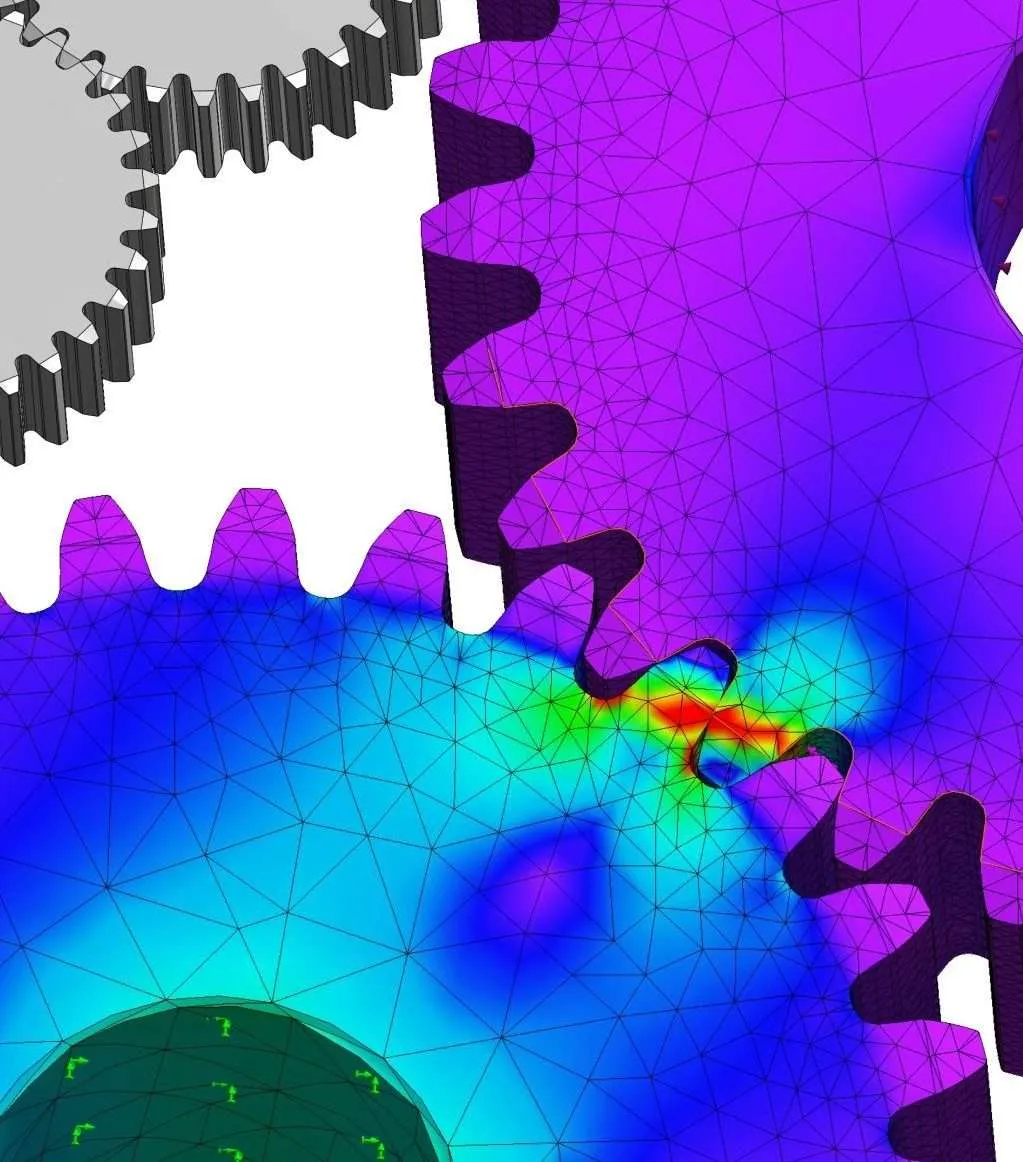
When developing a product, sophisticated manufacturers often use a form of virtual analysis known as Finite Element Analysis (FEA) to predict the performance of the finished product. The FEA uses a predictive process known as the Finite Element Method (FEM) to create a computer simulation of the product in use in various situations, reducing the number of trial and error prototypes required.
Conducting a virtual analysis like an FEA can do more than reduce the costs associated with producing numerous prototypes; it can speed up the manufacturing process. This tool can help small and midsize companies compete against larger manufacturers with much larger research and development budgets.
Although the buyer will test the final product under a variety of conditions, companies expect suppliers to provide a product that meets their expectations and deadlines. Moreover, the buyer expects suppliers to bear the costs of guaranteeing product safety and functionality. An FEA can provide the OEM with a sense of confidence in their investment.
For a small or medium size company looking to perform FEA simulations, there are four key factors to consider, because resources are scarce and making the right decisions regarding efficiency is paramount to success: Finite Element Analysis software, a CAD modeler, apps and online tools, and freelancers.
Finite Element Analysis is a critical step in the manufacturing and construction industries. Knowing how your product will behave under different circumstances brings a sense of comfort to you and your client. With the right combination of skills in place, the ability to conduct an FEA can be an asset that sets your company apart from the competition.