Engineering
The Evolution of Rapid Prototyping in Manufacturing: From Conception to Market
Pioneering the Digital Era: CAD and 3D Modeling
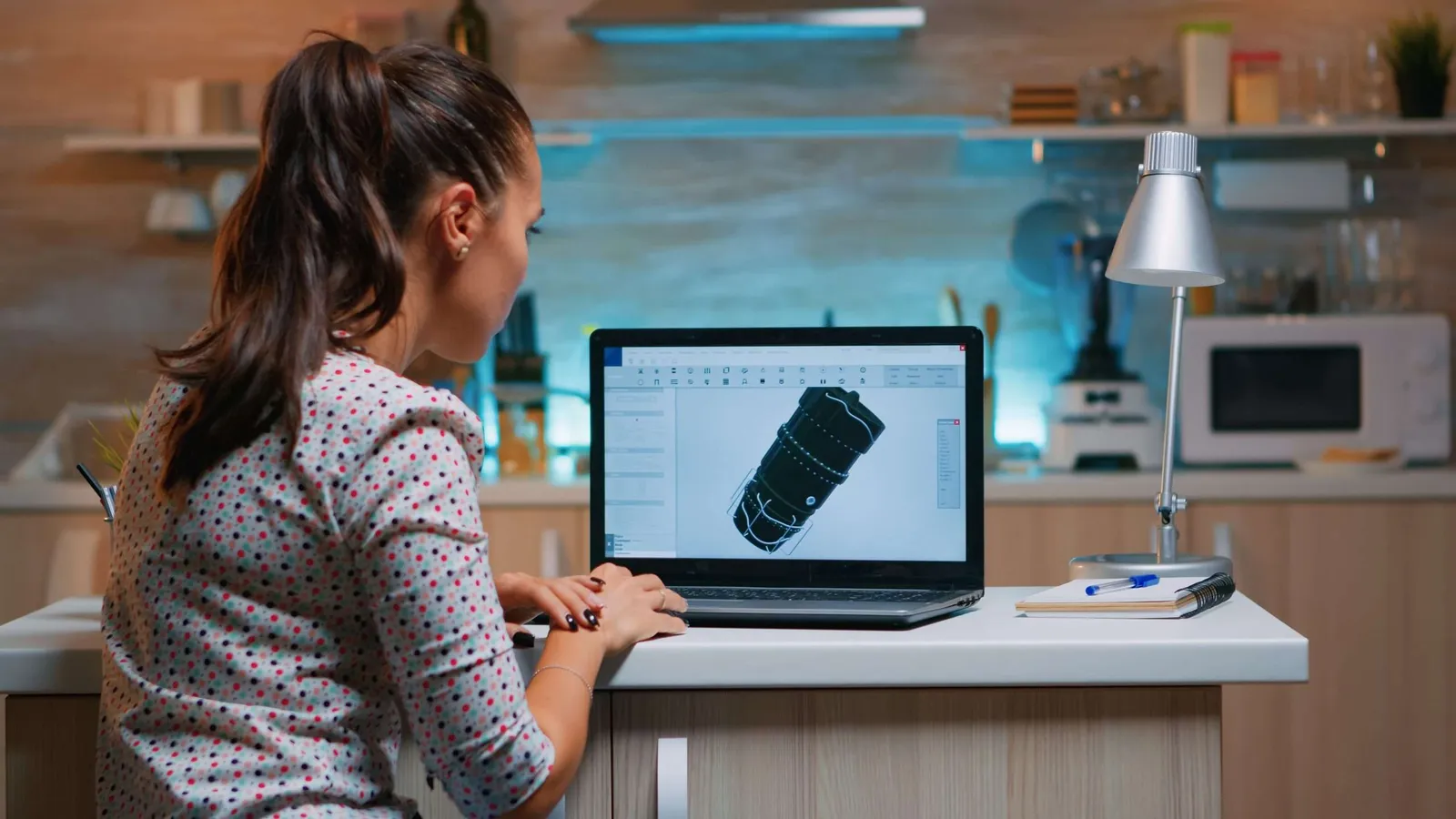
Manufacturing companies are constantly on the lookout for methods to expedite product development without compromising quality. The advent of Computer-Aided Design (CAD) and 3D modeling marked a significant turning point in this endeavor. These digital technologies allowed manufacturers to design and visualize their products in a virtual environment.
By utilizing CAD software, engineers could create detailed and intricate product designs with precision. This marked a substantial departure from the traditional, time-consuming hand-drawn blueprints. 3D modeling offered a dynamic perspective on how the final product would appear and function, enabling more informed decision-making during the design phase.
Virtual Validation
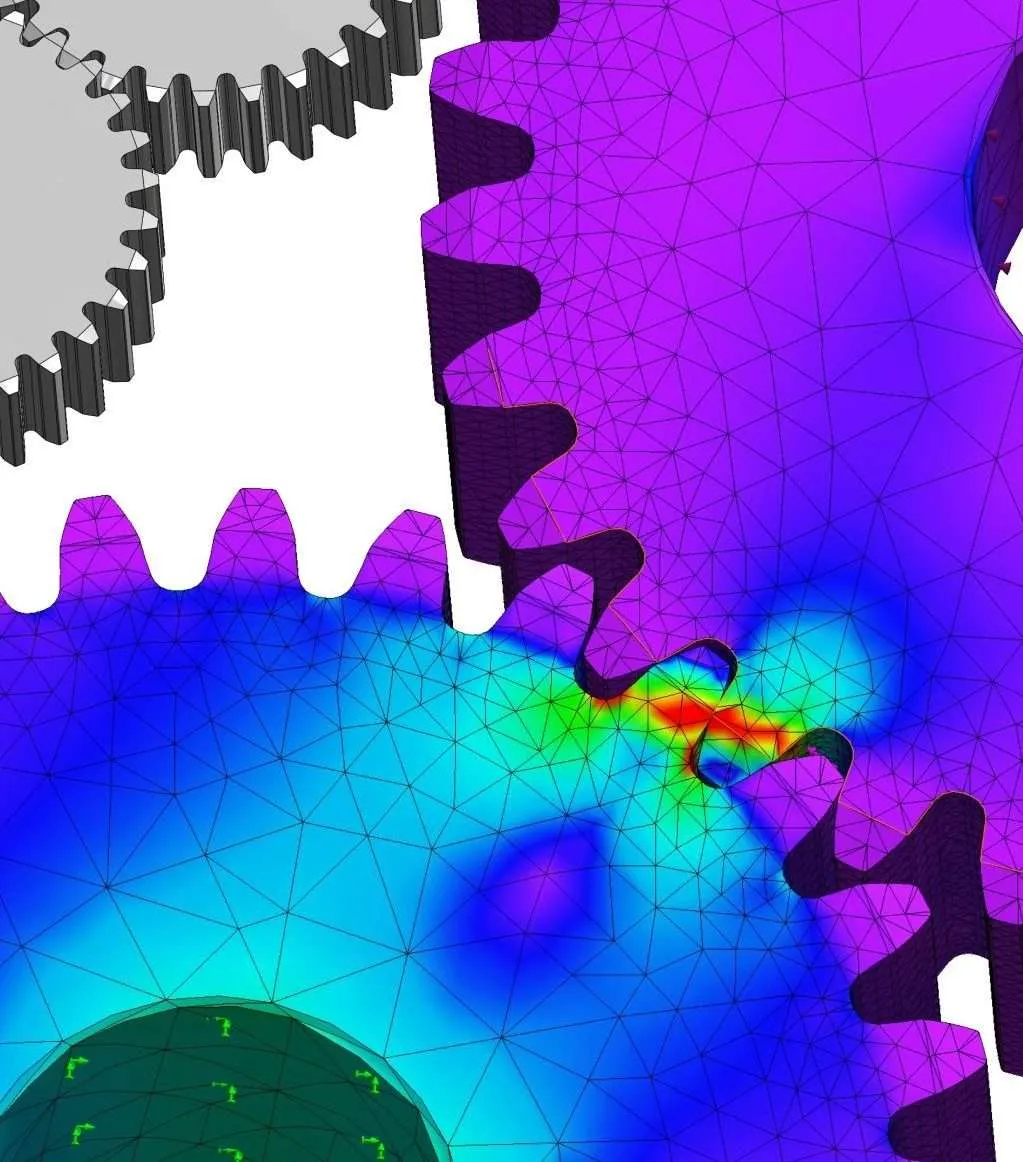
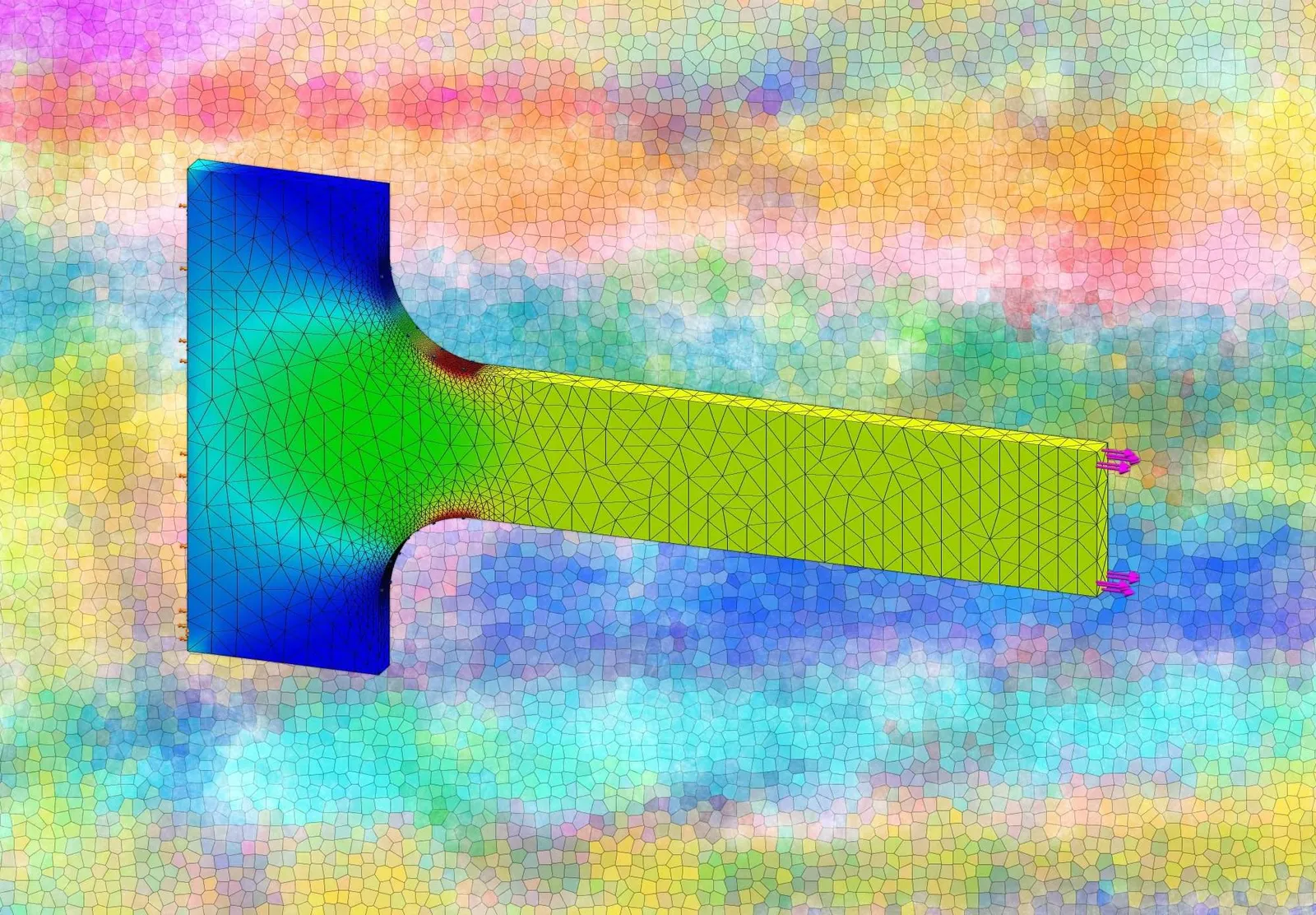
Using CAD and 3D modeling allowed manufacturing companies to design a product in a virtual environment, but they needed a way to ensure that these designs would perform as expected in the physical world. This need gave rise to the integration of simulations, such as Computational Fluid Dynamics (CFD) and Finite Element Analysis (FEA), into the product development process.
By leveraging these simulations, manufacturers gained deeper insights into the behavior of their products under different conditions. This not only improved the overall design quality but also contributed to substantial cost savings by identifying and addressing potential issues early in the design phase.
From Digital to Physical Prototypes
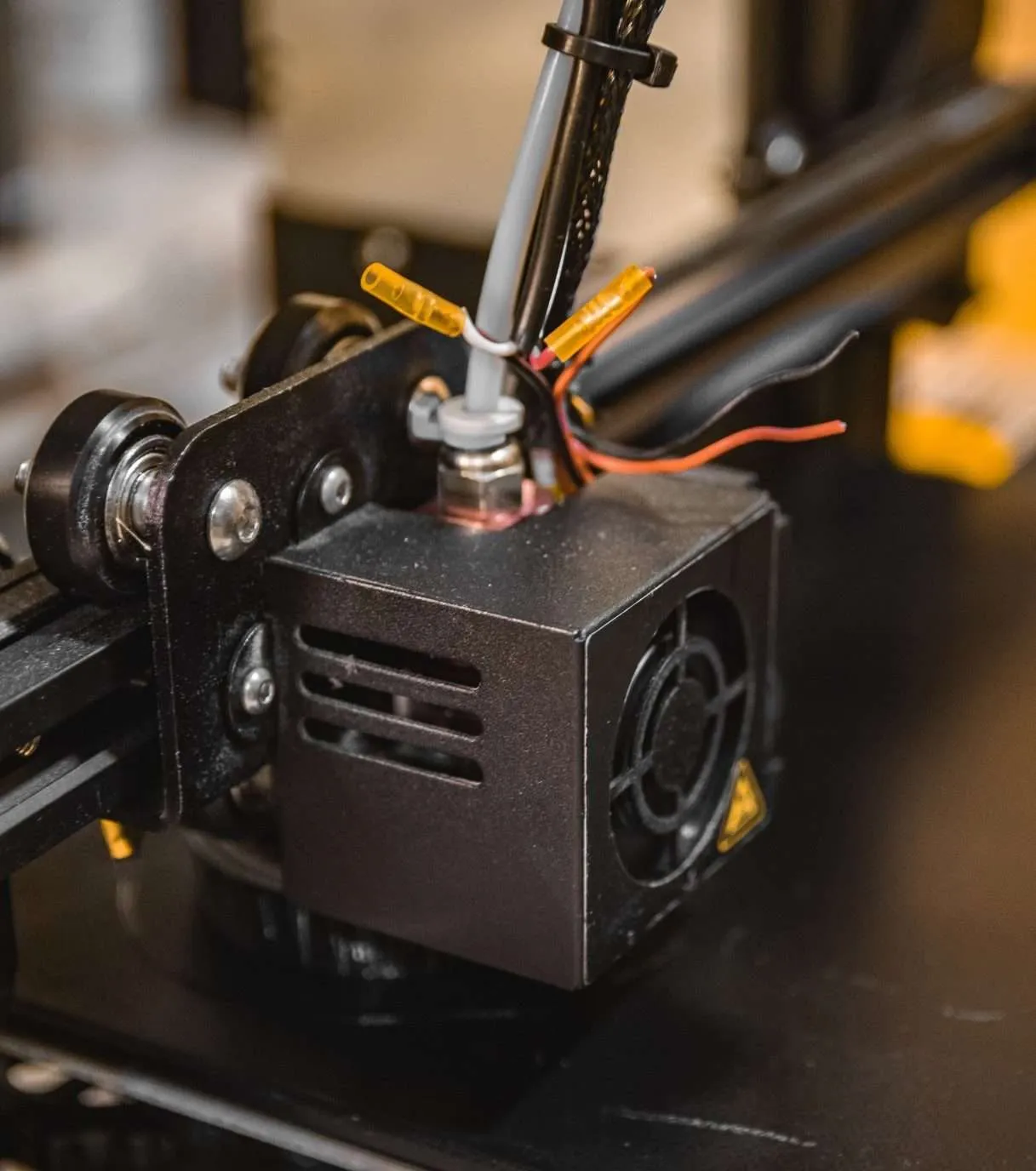
While CAD, 3D modeling, and simulations provided a powerful digital toolkit for design and validation, there was still a gap between the virtual and physical worlds. Manufacturing companies needed a way to transform their digital designs into tangible prototypes without extensive lead times and costs. This is where additive manufacturing, also known as 3D printing, stepped in.
The Race Against Time
Reducing speed to market is critical to increasing profit margins. In today's competitive landscape, being the first to introduce a new product can be a game-changer. Rapid prototyping, fueled by advancements in digital design and additive manufacturing, has enabled manufacturers to accelerate the product development cycle significantly.
Quality Assurance
While rapid prototyping expedites the product development process, it's important to note that speed should never come at the expense of quality. In fact, product quality often improves when virtual simulations are used to analyze the performance of designs before they hit the manufacturing floor.
Embracing Innovation
As technology continues to advance, so too will the field of rapid prototyping in manufacturing. One of the exciting prospects on the horizon is the integration of Artificial Intelligence (AI) and Machine Learning (ML) into the product development process. These technologies can analyze vast datasets to optimize designs, predict product performance, and even suggest innovative solutions.