Quality
What Are the 3 Subfields of Metrology?
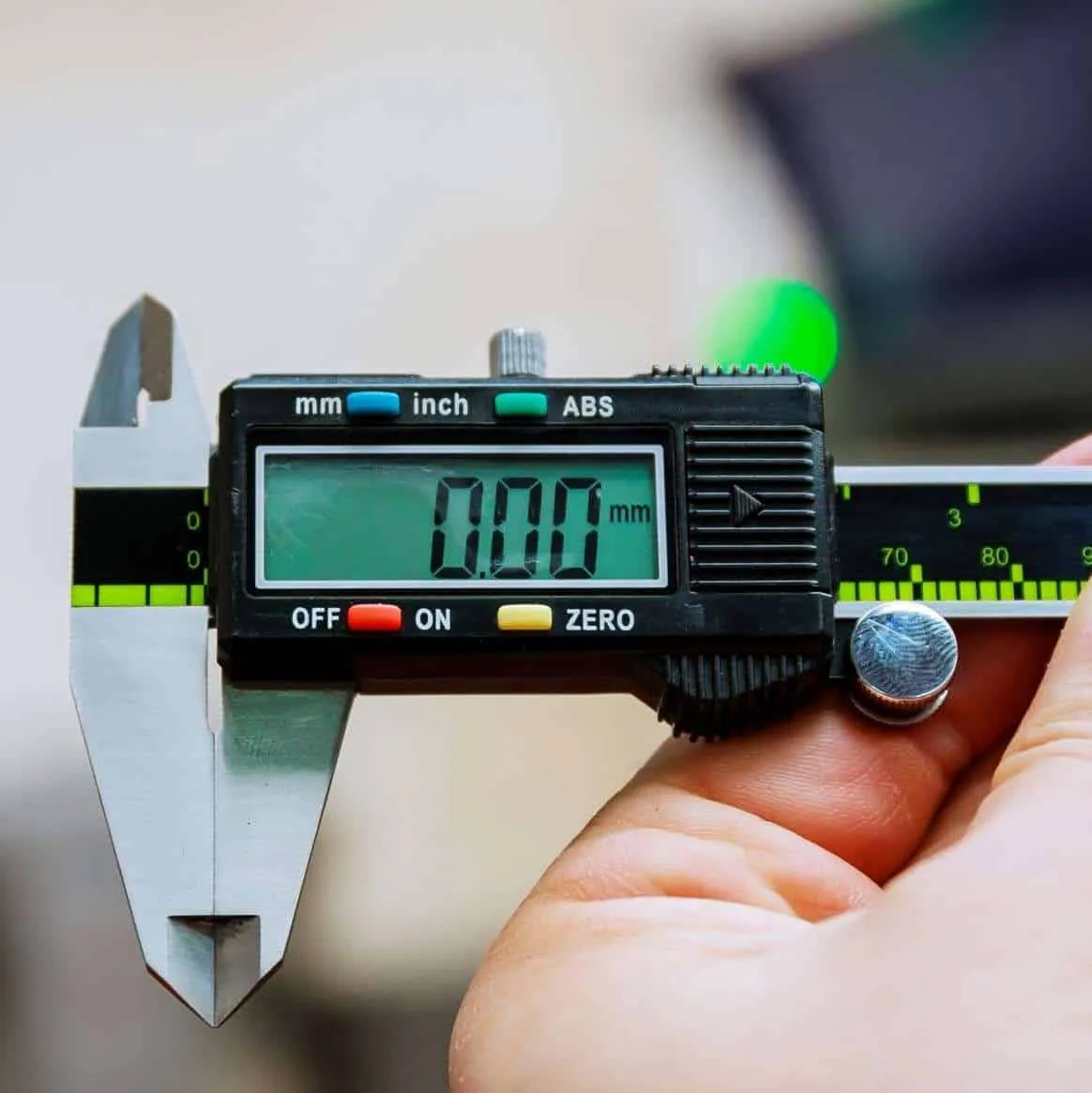
The Bureau of Weights and Measures defines metrology as the science of measurement that embraces both theoretical and experimental determinations. The discipline has transitioned over the years to incorporate practical applications, and can now be used to develop and advance industry and national standards for quality control, giving manufacturers and engineers greater accountability and credibility.
1. Applied Metrology
Applied metrology ensures the development and suitability of measurement instruments in industrial or manufacturing settings. The sub-branch oversees the calibration and quality control of these instruments to exact better operative functioning. Examples of commercial industries that use applied metrology include the aircraft and automotive sectors. This growth can be seen as a response to the rise in additive manufacturing.
2. Legal Metrology
Legal metrology is concerned with establishing regulatory requirements and measuring instruments for the protection of fair trade and consumers, prioritizing measurements that impact economic transactions. The National Institute of Standards and Technology (NIST) is the main body in the United States that focuses on advancing and promoting uniformity in measurement science through its Legal Metrology Devices Program.
3. Scientific Metrology
Scientific metrology forms the basis of all subfields and is concerned with the development and maintenance of scientific measurement methods, as well as transferring measurement standards to users. One advancement is the use of 3D metrology to study physical measurements. The 3D metrology market had a revenue of $9.60 billion in 2021, expected to increase to $19.65 billion by 2030.