Engineering
How To Make Product Design a Priority
Iconic graphic designer Paul Rand once said, "design is so simple; that's why it is so complicated." There is great truth in these words. The complexity of the design process should never overshadow its significance.
Design in manufacturing, at its core, is all about bringing solutions to people's needs at a reasonable cost. When developing new products, it is crucial to have the end user in mind.
Simplicity
When designing products in manufacturing, keeping the product's design simple and cost effective is essential. Products serve a distinct function and should excel at what they were intended to do and should bring value to customers.
Simplicity is attractive to customers. There is a sense of beauty and elegance in a simplistic design, especially if it allows the product to perform above expectations in the field. Performance is just as important as simplicity and cost; customers want products that are reliable and simple to use.
Design Through the Customer's Point of View
It is beneficial to think of a product from the customer's point of view throughout the design process. What would the ideal customer expect from the product? What design features would help the product perform at its best in the field? What would be the best user experience outcome?
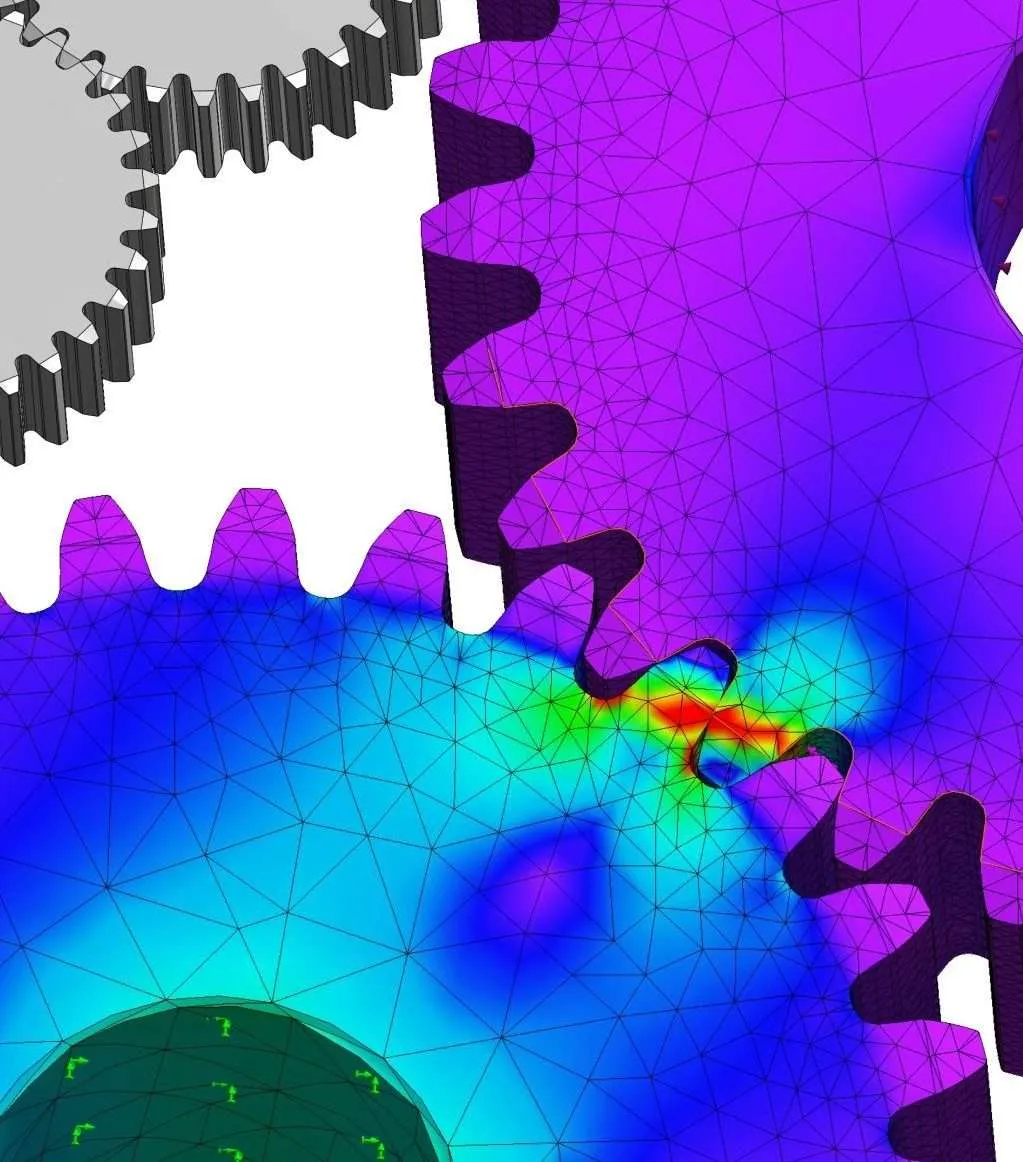
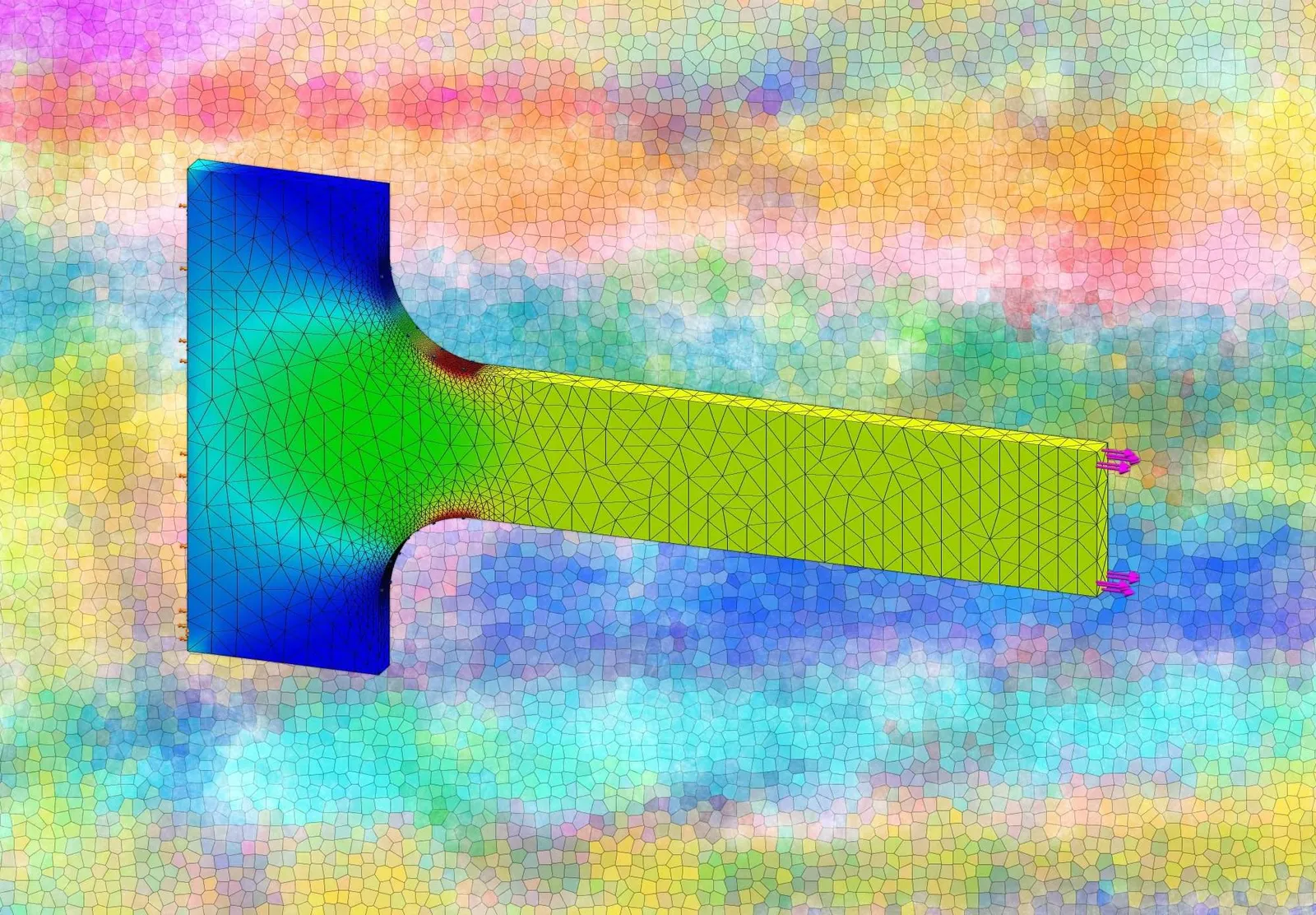
Design products with a consumer mindset and anticipate potential performance problems. Testing a design in a virtual environment should help test its performance in the field before manufacturing. Depending on the product, designers can perform a Finite Element Analysis (FEA) or Computational Fluid Dynamics (CFD) simulation.
Cost Savings and Quality Control Using Virtual Design
Virtual design and simulations play a critical role in manufacturing. Using virtual design allows designers in the mechanical engineering field to create, test and refine products before manufacturing, hence saving costs.
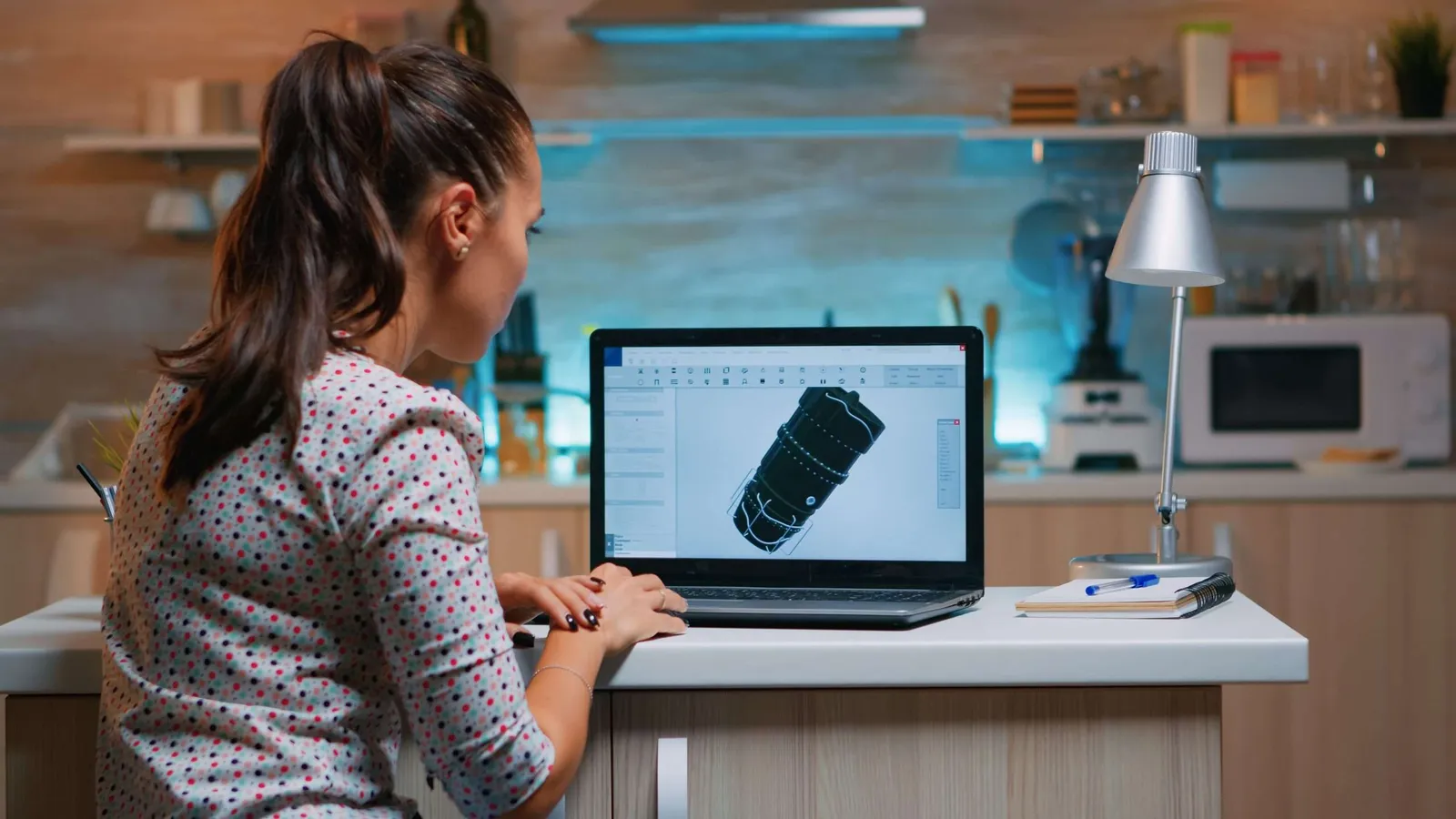
Through computer aided design (CAD) software, mechanical engineers can create 2D and 3D digital models of products that can be tested before manufacturing. Engineers can test how products behave under different conditions, such as stress, vibration and thermal impact, helping identify potential design flaws before manufacturing.
By analyzing the behavior of the part or product in a virtual environment, designers can identify potential performance problems under different scenarios. Correcting such potential flaws before manufacturing saves a substantial amount of time and money, and the outcome should be a more reliable final product.