Engineering
Merging Creativity with Technology for UTV Manufacturing: The Journey of CAD CAM Innovations
In the realm of Utility Task Vehicle (UTV) manufacturing, the fusion of creativity and technology plays a pivotal role in driving innovation. The journey of Computer-Aided Design (CAD) and Computer-Aided Manufacturing (CAM) has revolutionized UTV manufacturing processes, offering a seamless blend of artistry and technological advancements.
Evolution of CAD CAM in UTV Manufacturing
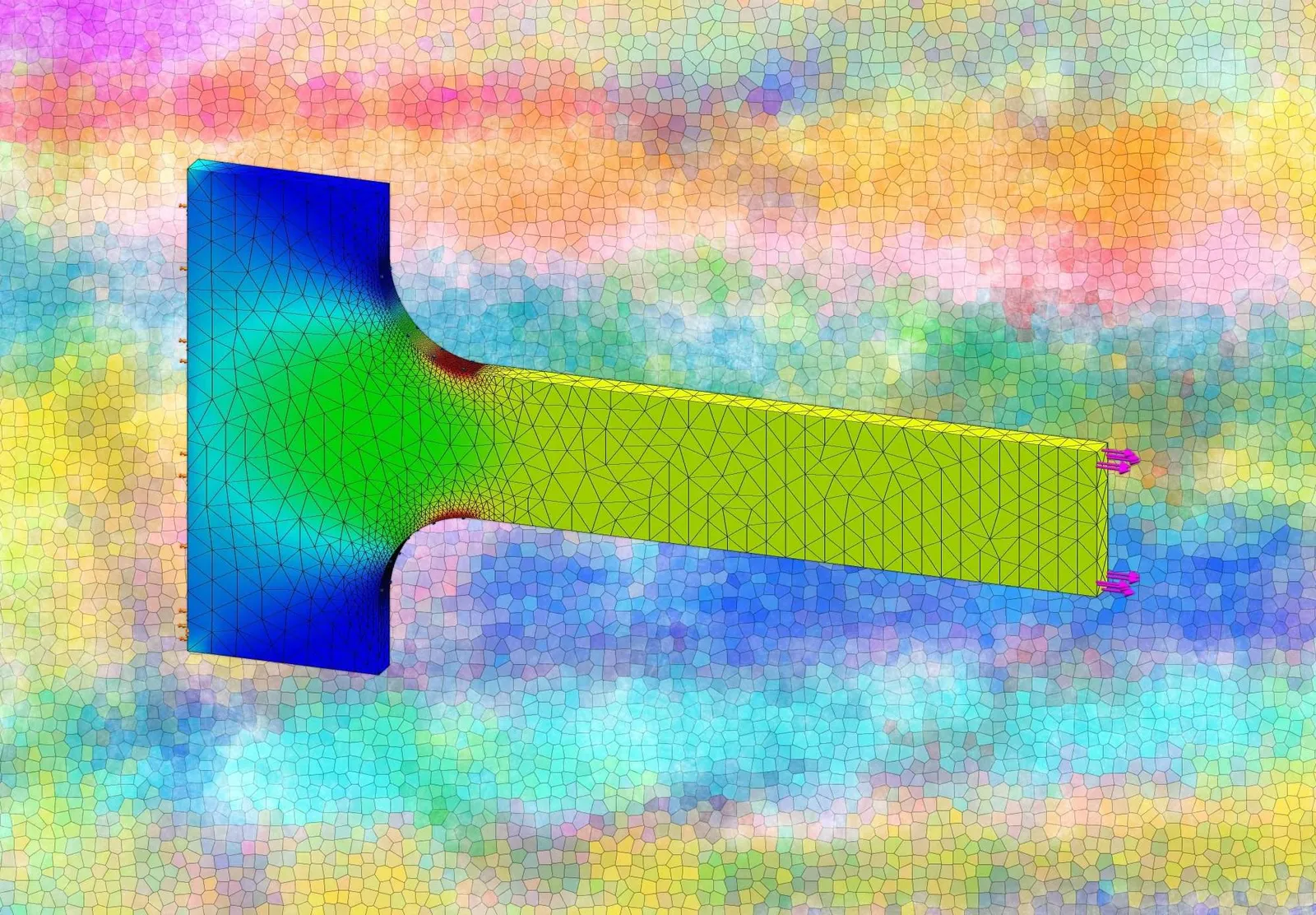
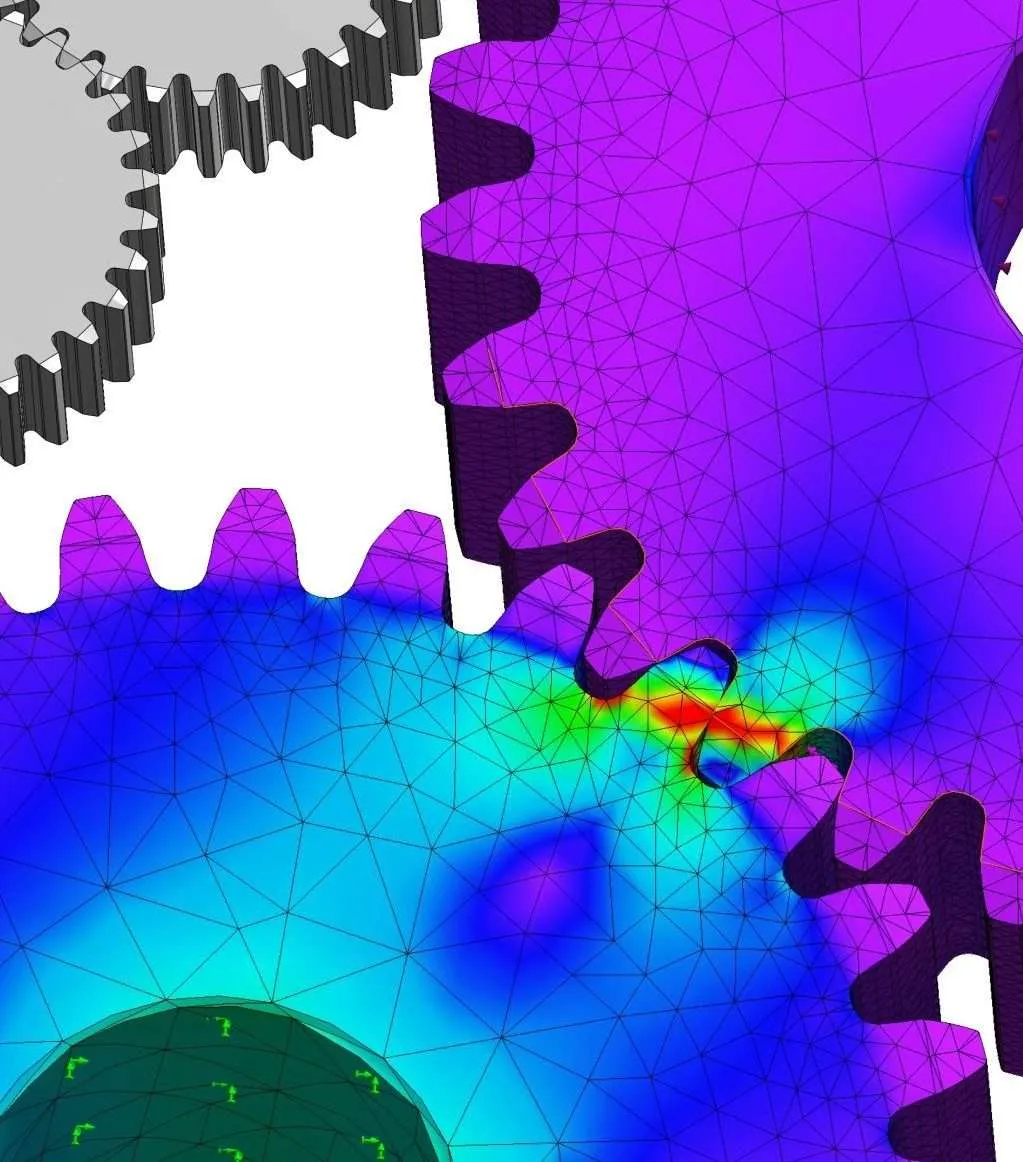
CAD CAM technologies have dramatically evolved, enabling manufacturers to design and produce UTVs with unparalleled precision and efficiency. These technologies have transcended beyond basic design tools to encompass a wide array of advanced features. Finite Element Analysis capabilities, for instance, empower designers to simulate and analyze how UTV components will perform under various conditions, ensuring optimal durability and functionality.
The Power of Digital Twins
Digital twins have emerged as a game-changer in UTV manufacturing. These virtual replicas of physical UTVs allow designers and engineers to conduct simulations and tests in a virtual environment before the actual manufacturing phase. This ability to design and test before manufacturing not only saves time but also minimizes costly errors and design flaws.
Optimizing Design Processes
CAD CAM innovations have optimized the design processes in UTV manufacturing by streamlining workflows and enhancing collaboration among multidisciplinary teams. Designers can create intricate and complex designs with precision, while manufacturers can use CAM capabilities to generate toolpaths and instructions for machining, ensuring accurate and consistent production.
Enhancing Customization Opportunities
The flexibility offered by CAD CAM innovations has opened doors to greater customization in UTV manufacturing. Manufacturers can efficiently modify designs to cater to specific customer requirements without significantly impacting production timelines. CAD CAM's versatility allows for swift design alterations and adaptations, enabling the creation of personalized UTVs without compromising on quality or efficiency.
Sustainability and Efficiency
CAD CAM technologies also contribute to sustainability efforts in UTV manufacturing. The ability to optimize designs, reduce material waste, and enhance energy efficiency through simulations and analyses aligns with sustainability goals. Manufacturers can create lighter yet more durable components, improving fuel efficiency and reducing the environmental impact of UTVs.