Engineering
From Concept to Prototype: The Magic of Reverse Engineering
Reverse engineering is a transformative process used by industries worldwide to deconstruct products and systems. By understanding the makeup of existing technologies, companies can innovate and improve upon them, often streamlining their product development cycles. This post delves into how reverse engineering can revolutionize product development.
The Essence of Reverse Engineering
Reverse engineering involves taking apart a product or system to see how it works. The purpose is to understand a component's structure, function, and operation without prior knowledge of its design or underlying blueprints. By starting with what is already available, companies can reduce research and development costs, speeding up the time it takes to bring new products to market.
Application in Product Development
In product development, reverse engineering can be a game changer. It helps companies understand competitor products but, more importantly, allows them to discover potential enhancements for their offerings. This process is not about copying but learning what works and what can be improved.
Integration with Modern Technology
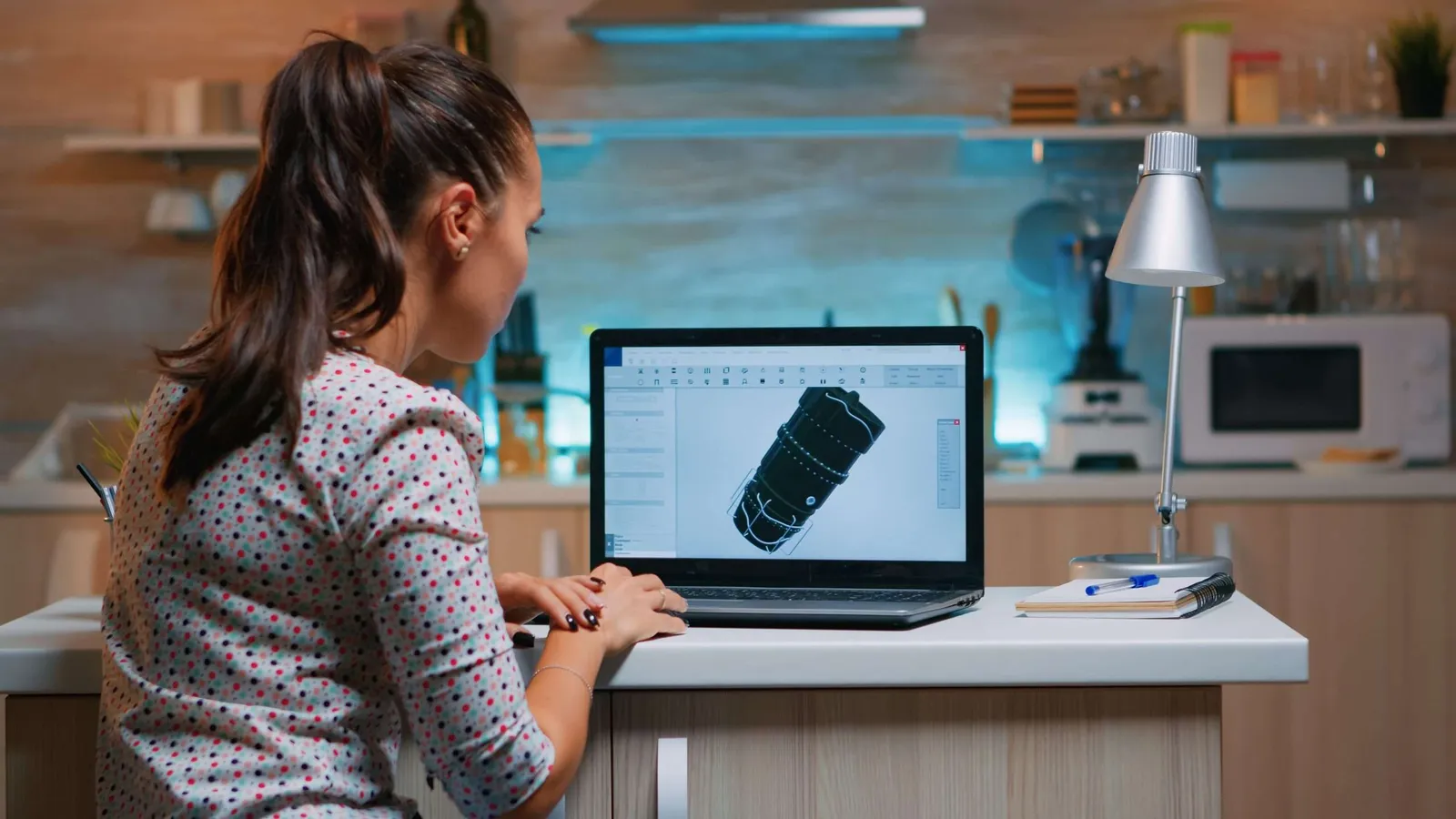
Integrating reverse engineering with modern technologies such as 3D scanning and CAD software has further enhanced its capabilities. These technologies allow for precise measurements and the creation of digital models based on physical objects, which can be manipulated to test various scenarios and improvements.
Streamlining Design Improvements
Reverse engineering accelerates the iteration process in product development. Design improvements can be rapidly prototyped and tested by having a concrete starting point. This is particularly beneficial in industries where time to market is critical, such as electronics or automotive.
Cost Reduction Strategies
Another significant advantage of reverse engineering is its potential to reduce costs. Companies can identify cheaper materials or more efficient production methods by understanding how products are made. Collaboration is also key, as teams sharing ideas and expertise lead to more creative and effective solutions.