
What Is Metrology and Why Is It So Important?

In the world of science and engineering, consistency is essential. This means consistency between parts, consistency between engineering methods, and most importantly, consistency of measurements. The scientific study of measurements and the uniformity of them is known as metrology and has long been a study of interest for scientists and engineers. Read on to learn more about what metrology is, how metrology came to pass, and its importance in engineering and scientific fields.
What is metrology?
Put simply, metrology is the study of measurements and the units involved in measurements. Down to the smallest possible units with nanometers and micrometers, metrology has firm definitions in line with the scientific consensus. This extends beyond simply measuring distances, with the kilogram recently being redefined in line with Planck’s constant. Much of metrology specifically aligns with scientific facts and constants, as these remain the same whereas relying on physical artifacts risks degradation over time.
What are the types of metrology?
Metrology falls into three distinct categories. Scientific metrology focuses on the evolution and definitions of different units of measurement, industrial metrology focuses primarily on the application of metrology in an industrial setting, and legal metrology discusses the legal implications of transitions in the definition of measurements from one state to another. Again, the transition of the kilogram from a platinum and iridium cylinder into a constant physics-based figure is a key example.
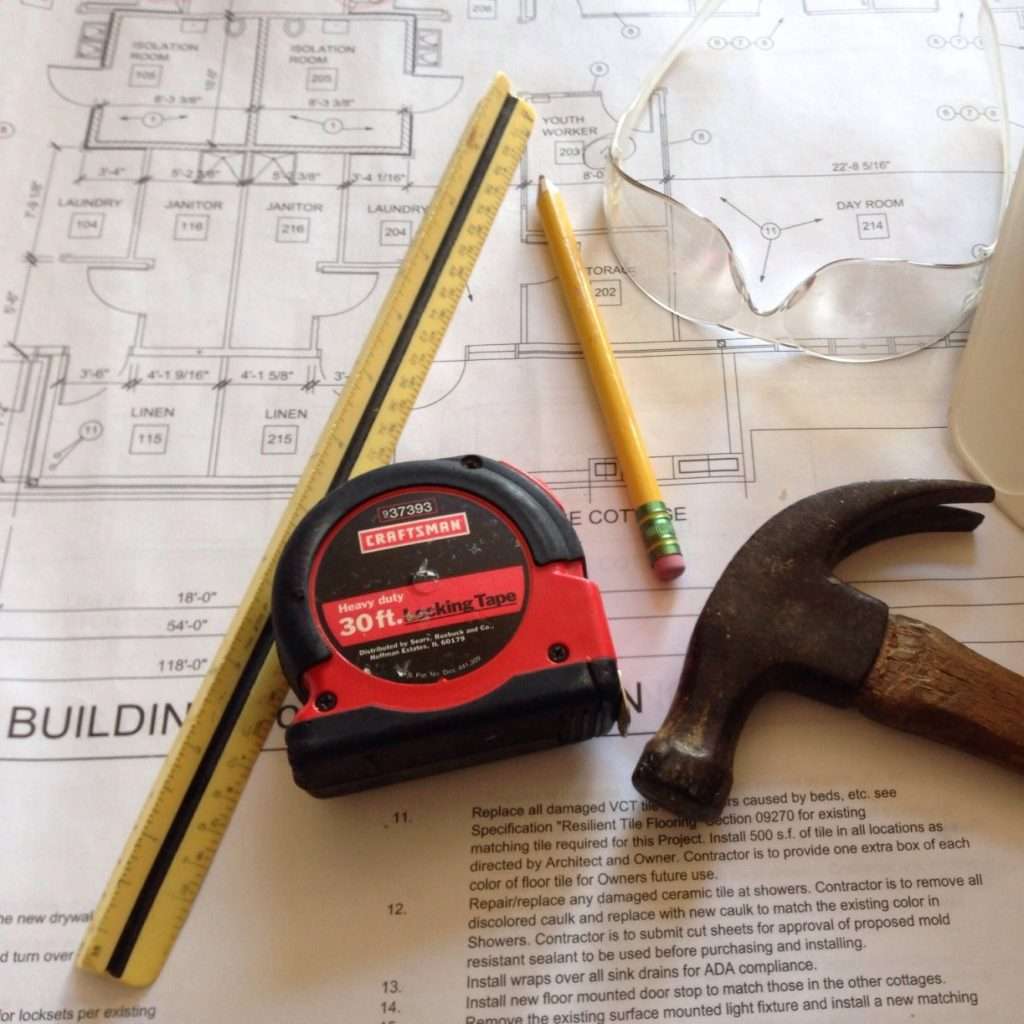
Metrology’s use in manufacturing
Metrology plays a key role in manufacturing for a variety of reasons. Each works towards a more effective manufacturing industry and benefits product quality and customer standards. Find out more about the key benefits of metrology in manufacturing below:
Standardization
One of the key benefits of using metrology in manufacturing is the increase in standardization across a range of different companies. For centuries people debated metrological standardization and the benefits of everyone working with the same measurements. Reason ultimately prevailed, and processes such as geometric metrology are key for ensuring that parts from around the world fit together and use the same system of measurements.
Cost reduction
One of the most important benefits of using standardized metrological systems is the reduction in costs for manufacturing companies. Redesign costs for any given product range between 2.1% and 21.5%, so having all of your measurements standardised against those of external suppliers is essential. Having standardized measurements means that initial designs are accurate within a high tolerance, and there is no need for a redesign and remanufacture process that costs companies significant sums of money.