
Innovations in Agriculture: How Quality Components Transform Equipment Design

Innovations in agriculture have revolutionized farming, making the process more efficient and sustainable. These advancements are particularly evident in the design and functionality of modern agricultural equipment. High-quality components are the backbone of this transformation, providing the durability and precision needed for today’s high-performance farming. For purchasing agents within the agricultural sector, selecting the right components can significantly impact the efficiency, reliability, and longevity of the machinery used on farms.
The Impact of High-Quality Components
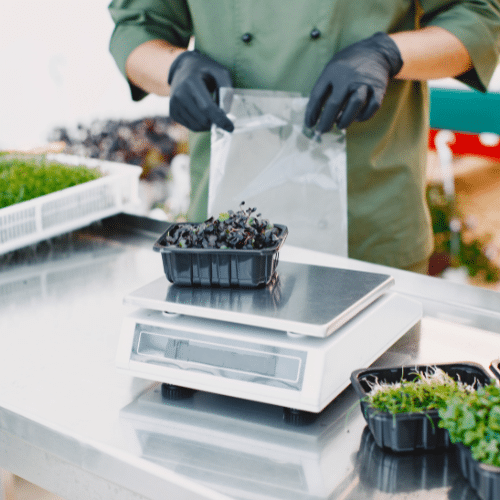
Integrating high-quality components into agricultural machinery leads to significant enhancements in performance. For example, superior metals increase the strength and durability of equipment, allowing it to withstand harsh farming conditions. Additionally, precision-engineered parts ensure that machinery operates smoothly, reducing the risk of breakdowns and extending the operational life of the equipment.
Advanced electronics also play a crucial role in modern agricultural machinery. These components automate processes, from seeding to harvesting, boosting efficiency and minimizing human error. The precision offered by these high-tech solutions saves time and reduces resource wastage, making farming more sustainable. For purchasing agents, investing in high-quality electronics means equipping machinery with the latest technology to enhance overall farm productivity.
Spotlight on Durability and Reliability
Durability and reliability are critical factors in the design of agricultural equipment. Farmers depend on their machinery to perform consistently, regardless of the environmental conditions. High-quality components are essential for building machines that can endure long hours of operation and resist wear and tear.
Components made from robust materials prevent frequent breakdowns, which are costly and disruptive. Investing in quality enhances the reliability of equipment and ensures that farmers can carry out their operations without unexpected interruptions, leading to more predictable agricultural outputs. Purchasing agents should prioritize components that promise long-term reliability and reduced maintenance costs.
Enhancing Efficiency with Innovative Design
Innovative design is at the heart of modern agricultural equipment. By utilizing high-quality components, manufacturers can create machines that are more durable and efficient. This includes improvements in fuel efficiency and the ability to perform multiple functions with a single piece of equipment.
These innovations significantly reduce the time and effort required for farming tasks. Machines designed to operate with precision also help reduce the quantity of seeds, fertilizers, and pesticides needed, which lowers the overall cost of farming and minimizes environmental impact. For purchasing agents, selecting components that contribute to multifunctional and efficient machinery is key to supporting farmers’ needs.
The Role of Smart Technology
Smart technology is transforming agricultural equipment by incorporating sensors and data analytics into machinery. These technologies rely on high-quality components to function effectively. Sensors collect data from the field, which is then analyzed to optimize farming practices such as planting density, irrigation schedules, and pest management.
This integration of smart technology enhances the functionality of agricultural equipment and supports sustainable farming practices by ensuring optimal use of resources. High-quality components ensure the reliability and accuracy of the technology used, making them a critical consideration for purchasing agents focused on innovative solutions.
Streamlining Operations
Another critical advantage of using high-quality components in agricultural equipment is streamlining operations. Efficient machines lead to streamlined operations, which can significantly impact a farm’s productivity. With equipment designed to operate seamlessly, farmers can achieve faster turnaround times and higher yields.
The use of well-designed components also reduces the need for manual labor, which can be redirected to other important tasks on the farm. This not only improves operational efficiency but also helps in managing the workforce more effectively. For purchasing agents, components that enhance operational efficiency are a valuable investment.
Economic Impact of High-Quality Equipment
The economic implications of investing in high-quality agricultural equipment are profound. Although such equipment might initially come with a higher price tag, the long-term savings in maintenance and operational costs justify the initial investment. Furthermore, increased efficiency and productivity can lead to higher profits for farmers.
High-quality equipment tends to have a higher resale value, which provides an additional economic benefit. This aspect is particularly important for purchasing agents looking to maximize the return on investment for their agricultural clients.
Future Trends in Agricultural Equipment Design
Looking to the future, trends in agricultural equipment design continue to lean towards sustainability and efficiency. The ongoing development of high-quality components that are both environmentally friendly and energy-efficient is expected to drive further innovations in this field.
Integrating renewable energy sources into agricultural machinery, such as solar-powered tractors, is becoming more prevalent. This shift supports sustainable farming practices and aligns with global environmental goals. Purchasing agents should stay ahead of these trends to ensure they are sourcing components that will meet future demands.
Engage with the Future of Farming
Agricultural innovations are reshaping the farming landscape, making it more efficient and sustainable. By embracing equipment that features high-quality components, purchasing agents can ensure their machinery’s longevity and reliability while enhancing operational efficiency and economic output.